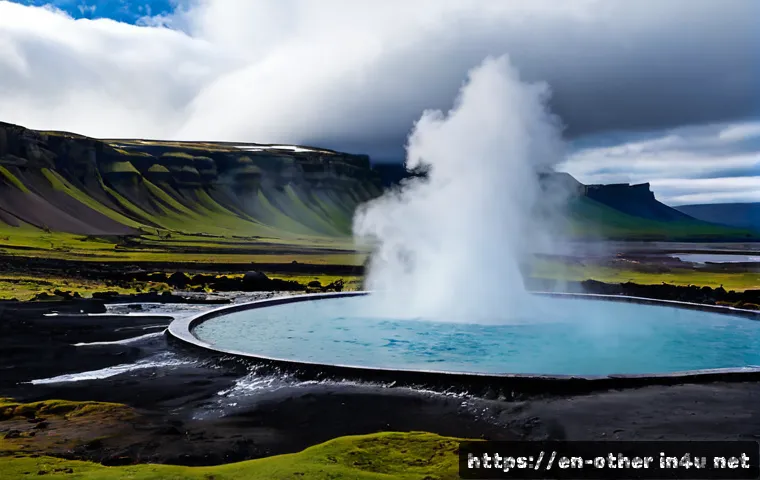
Great Geysir is the historic source of the word “geyser,” but Strokkur is the feature most visitors watch because it commonly erupts every few minutes.
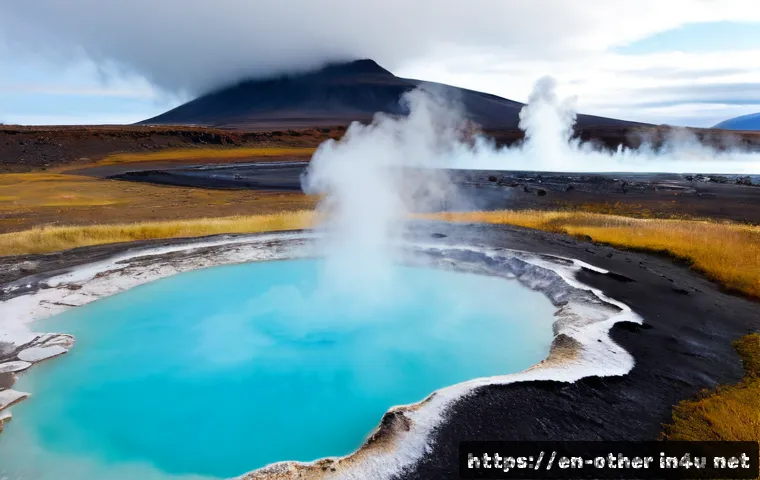
The safest expectation is to stay on marked paths, watch several Strokkur cycles, and treat Great Geysir as an important landmark rather than a guaranteed show.
The Geysir geothermal area sits in Haukadalur Valley in southwest Iceland, on the popular Golden Circle route. It combines regular geyser viewing with steaming vents, bubbling mud pots, geothermal pools, and mineral-stained ground.
For planning, the main choice is usually a guided Golden Circle tour versus a rental car, especially when weather, daylight, and winter driving confidence matter.
A private driver can add convenience and flexibility, but travelers should compare the inclusions and conditions carefully. Current road status, access details, and tour pricing should always be checked close to the travel date.
At a Glance
- Strokkur is the usual viewing target because it commonly erupts every few minutes.
- Great Geysir is historically important but is currently mostly dormant and does not follow a dependable eruption schedule.
- Stay on marked paths: geothermal water and nearby ground can be dangerously hot.
| Visit Style | Best For | Flexibility | Winter Suitability | Cost Factors to Compare |
|---|---|---|---|---|
| Golden Circle guided tour | Travelers who want transport arranged | Lower; timing follows the tour schedule | Useful if you prefer not to manage changing driving conditions | Tour inclusions, pickup arrangements, stop length, cancellation terms |
| Rental car | Travelers who want control over stops and pacing | Higher; you can adjust your itinerary | Depends on driving confidence, weather, road conditions, and insurance choices | Rental rate, fuel, insurance, parking arrangements, accommodation location |
| Private driver | Travelers wanting a flexible route without driving | Potentially high, depending on the booking terms | Can reduce the need to drive in difficult conditions | Trip duration, route flexibility, waiting time, included services |
The Quick Answer: What Makes the Geysir Area Worth Visiting?
The Geysir geothermal area is worth visiting because it offers a close view of Iceland’s active geothermal landscape and a realistic chance to see Strokkur erupt. It is located in Haukadalur Valley in southwest Iceland and is a natural fit for a Golden Circle itinerary. The key is to arrive with the right expectation: this is not only one famous geyser, but a changing geothermal field shaped by underground water pressure and seismic activity.
Great Geysir is historically famous, while Strokkur is the reliable eruption to watch
Great Geysir gave the English word “geyser” its name. That history alone makes it a meaningful stop. However, Great Geysir is currently mostly dormant, so visitors should not expect an eruption on a predictable schedule. Strokkur, nearby, is the more dependable feature for active viewing. It commonly erupts every few minutes, although the exact timing and size of any individual burst cannot be guaranteed.
Three things first-time visitors should know before arriving
First, allow time to watch more than one Strokkur cycle rather than assuming the first eruption will be the largest. Second, geothermal water, steam, and ground surfaces can be dangerously hot, so the marked paths are not optional safety suggestions. Third, wind, rain, ice, and daylight can change how comfortable and visible the experience feels, particularly during a winter Golden Circle day.
How much time to set aside on a Golden Circle day
Your stop length depends on whether you want to watch repeated Strokkur eruptions, photograph the area, and walk around the other geothermal features. A quick look may feel rushed if you arrive just after an eruption. Building in some waiting time gives you a better chance to see Strokkur more than once without forcing the rest of your Golden Circle itinerary into a tight schedule.
Great Geysir, Strokkur, and the Geothermal Landscape Compared
Why Great Geysir is important despite being mostly dormant
Great Geysir matters because of its place in geothermal history and language. Its current inactivity is also a useful reminder that geothermal features are not fixed attractions. Underground pressure, water flow, and seismic activity can affect eruption patterns over time. Visitors should appreciate the site without treating future Great Geysir activity as something that can be predicted reliably.
What a Strokkur eruption looks like and how often visitors may see one
Strokkur commonly erupts every few minutes. Typical eruptions often reach roughly 15–20 metres, though larger bursts can occur. The changing surface of the pool and the moments before an eruption are part of the experience, but there is no guaranteed schedule or height. Keep your camera ready, but do not step beyond marked boundaries for a closer angle.
Hot springs, steam vents, and mineral-rich ground: what else is there?
The area is more than a geyser-viewing stop. You may see bubbling mud pots, steaming vents, geothermal pools, and mineral-stained ground. These features make the landscape visually varied, even between eruptions. They also explain why visitors need to stay alert: steam can obscure surfaces, and apparently solid ground near thermal features may be extremely hot.
Guided Tour or Self-Drive? Planning Value, Costs, and Convenience
When a Golden Circle coach tour is the simpler choice
A Golden Circle guided tour is often the simpler choice if you want transport organized and would rather not manage navigation, parking arrangements, or changing road conditions yourself. This can be especially appealing in winter, when wind, ice, limited daylight, and weather may make self-driving feel less comfortable. Before booking, compare the listed route, stop duration at Geysir, pickup conditions, and what is included.
When renting a car provides better itinerary flexibility
A rental car may suit travelers who want to control their pace, spend longer at Strokkur, or add independent stops around the Golden Circle. It can also make nearby accommodation planning easier if you prefer not to return on a fixed tour schedule. The trade-off is responsibility: check weather, road status, vehicle requirements, and rental-car insurance conditions before setting out.
Cost factors to compare: fuel, insurance, parking, tour inclusions, and time
There is no single best-value option for every itinerary. Compare the full picture: rental-car fuel, insurance options, parking arrangements, time behind the wheel, and possible overnight lodging against the tour price and included transport. A guided tour may simplify logistics, while self-drive may offer more freedom. A private driver may reduce driving demands, but the route flexibility and waiting-time terms should be clear before you book.
How to Visit Safely and Avoid Common Mistakes
Why marked paths matter around geothermal water

Stay on marked paths at all times. Water and ground around geothermal features can be dangerously hot. Do not test the ground, cross barriers, or step toward a steaming area for a photograph. Conditions can change, and the safest route is the route intended for visitors.
Where to stand for viewing and photography without blocking others
Choose a position that keeps you on the designated viewing area and leaves space for other visitors. Do not crowd the pool edge or move into someone else’s line of sight immediately before an expected eruption. Wind direction can affect steam and spray, so be willing to change your angle while remaining within marked areas.
Weather, wind, ice, and clothing considerations
Wear footwear suitable for potentially wet or slippery paths. Wind can make the geothermal area feel colder and can blow steam across the viewing area. In icy conditions, move slowly and keep your attention on the path rather than only on your camera. Check the forecast and current conditions before departure, especially if Geysir is one stop on a self-drive Golden Circle route.
Best Visit Scenarios for Different Iceland Itineraries
A first-time Golden Circle day trip
For many first-time visitors, Geysir works well as a major Golden Circle stop because it combines a frequent natural event at Strokkur with a broader geothermal landscape. A guided tour can simplify the day, while self-drive allows you to decide how long to wait for repeated eruptions. Either way, avoid planning the day so tightly that weather or a delayed departure makes the stop stressful.
Winter visitors with limited daylight
Winter visitors should prioritize safety and realistic timing. Limited daylight, wind, ice, and road conditions may affect both driving and the time available at each stop. If you are not confident driving in changing conditions, a guided Golden Circle tour or private driver may be a more comfortable choice than a rushed self-drive plan.
Travelers combining the stop with Gullfoss and Þingvellir
Geysir is commonly paired with Gullfoss and Þingvellir on a Golden Circle itinerary. This makes route planning important: leave enough room for travel conditions, viewpoints, and the time you want to spend watching Strokkur. If these stops are priorities, compare tour schedules carefully or choose self-drive only when you are comfortable adapting the day to current conditions.
Choosing Your Visit Style: Final Comparison and Checklist
Choose a guided tour if transport simplicity, a structured route, and greater winter-driving confidence matter most. Choose self-drive if you value flexibility, additional stops, and control over how long you wait at Strokkur. Consider a private driver if you want less driving responsibility but still want to discuss route flexibility.
Before deciding, check these points: the current weather and road status; the tour’s stop length at Geysir; rental-car insurance details; pickup or parking arrangements; your daylight window; and whether nearby lodging better suits your route. Compare tour inclusions, rental-car insurance conditions, and accommodation locations on the relevant booking pages before confirming your plans.
Conclusion
The Geysir geothermal area is best understood as an active landscape, not a guaranteed performance by one historic geyser. Great Geysir provides the name and the history, while Strokkur is usually the practical reason visitors wait and watch. Plan for variable weather, allow enough time for more than one Strokkur cycle, and follow every marked-path rule. Whether you join a Golden Circle tour or drive yourself, flexible expectations will make the visit more enjoyable.
Useful Things to Know
Strokkur commonly erupts every few minutes, but no individual eruption can be timed or guaranteed. Typical bursts often reach roughly 15–20 metres, although larger ones can happen. Steam, wind, and changing light can affect photographs, so keep your camera accessible rather than relying on a single perfect moment. Great Geysir’s future activity remains unpredictable.
Important Notes
Current access conditions, parking arrangements, road status, and Golden Circle tour prices may change by season. Weather, wind, ice, and daylight can also affect the experience. Check current official travel information and the terms of any tour, vehicle rental, or accommodation booking close to your departure date. Never leave marked visitor paths around geothermal water and ground.
Frequently Asked Questions
Q1. Does Great Geysir still erupt, or should I visit mainly for Strokkur?
A1. Great Geysir is currently mostly dormant and does not erupt on a dependable schedule. Visit mainly with the expectation of watching Strokkur, which commonly erupts every few minutes, while appreciating Great Geysir for its historical importance.
Q2. Is a Golden Circle tour worth the cost compared with renting a car?
A2. It depends on your priorities. A guided tour can simplify transport and may suit travelers who prefer not to drive in changing weather or winter conditions. A rental car offers more flexibility, but compare fuel, insurance, road conditions, parking arrangements, and the time required to drive the route.
Q3. How long should I plan to spend at the Geysir geothermal area?
A3. Allow enough time to watch Strokkur through more than one eruption cycle and to see the surrounding geothermal features. The ideal stop length depends on your Golden Circle schedule, weather, photography plans, and whether you are traveling independently or following a tour timetable.