Papua New Guinea is one of the most culturally diverse places on Earth, home to hundreds of indigenous tribes, each with its own unique language, customs, and traditions.
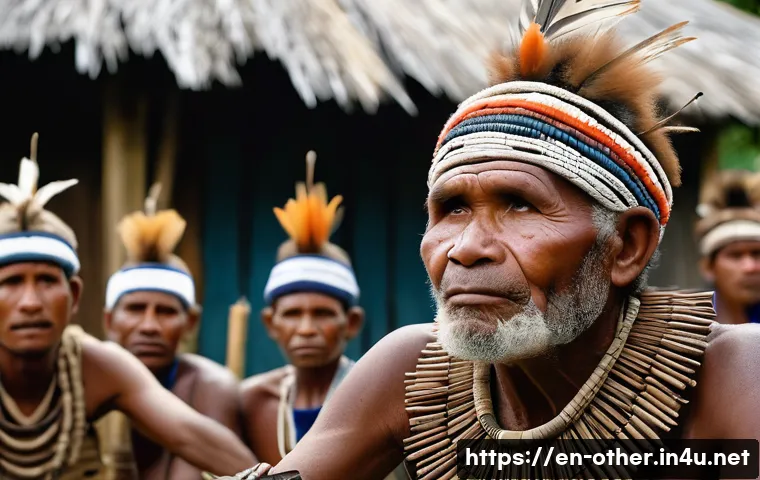
This incredible variety stems from the island’s rugged terrain, which has allowed many communities to develop independently over thousands of years. From distinct art forms to different social structures and belief systems, the differences among these tribes are both fascinating and complex.
Understanding these distinctions not only highlights the richness of human culture but also sheds light on how environment and history shape societies.
Let’s dive deeper to uncover the intriguing contrasts between Papua New Guinea’s indigenous tribes. Get ready for a detailed exploration!
Varied Language Landscapes and Communication Styles
Multiplicity of Languages and Dialects
Papua New Guinea is home to over 800 distinct languages, making it the most linguistically diverse country worldwide. This staggering number isn’t just a statistic—it reflects centuries of isolated development among tribes nestled in valleys, mountains, and remote islands.
Each language carries unique expressions, idioms, and oral traditions that are deeply tied to the tribe’s identity. What’s fascinating is how some neighboring tribes might speak entirely different languages yet maintain trade and social relations through multilingualism or lingua franca, often Tok Pisin.
In some cases, I’ve observed that even within one tribe, dialectical variations can be so pronounced that communication requires careful negotiation and adaptation.
Nonverbal Communication and Gesture Systems
Beyond spoken language, many tribes in Papua New Guinea employ intricate nonverbal cues and gestures to convey meaning, especially during rituals or negotiations.
For instance, the expressive use of hand signals or body postures can replace words in certain contexts, serving as a powerful tool for storytelling or conflict resolution.
I recall during a visit to the Sepik region how a local elder’s subtle nods and eyebrow movements communicated agreement or dissent without uttering a single word.
This form of communication often complements verbal language and reveals the nuanced ways in which people connect beyond speech.
Influence of Geographic Isolation on Language Preservation
The island’s rugged terrain has played a critical role in preserving linguistic diversity by limiting intertribal contact. This isolation has allowed languages to evolve independently, sometimes resulting in completely distinct phonetic and grammatical systems even among nearby groups.
However, modern influences such as urbanization and schooling in English or Tok Pisin pose challenges to this linguistic preservation. From my perspective, supporting local language education and documentation efforts is essential to maintain this irreplaceable cultural wealth for future generations.
Distinct Artistic Expressions and Cultural Symbols
Diverse Craftsmanship Traditions
The artistic heritage across Papua New Guinea’s tribes is nothing short of extraordinary. From elaborate wood carvings and intricate woven baskets to vibrant body painting and ceremonial masks, each tribe boasts a signature style that conveys history, spirituality, and social status.
For example, the Asaro Mudmen’s eerie clay masks are not just art but a form of storytelling and intimidation during rituals. I’ve seen firsthand how these artistic forms are taught from elders to youth, ensuring that skills and cultural narratives endure despite outside influences.
Body Art and Tattooing Practices
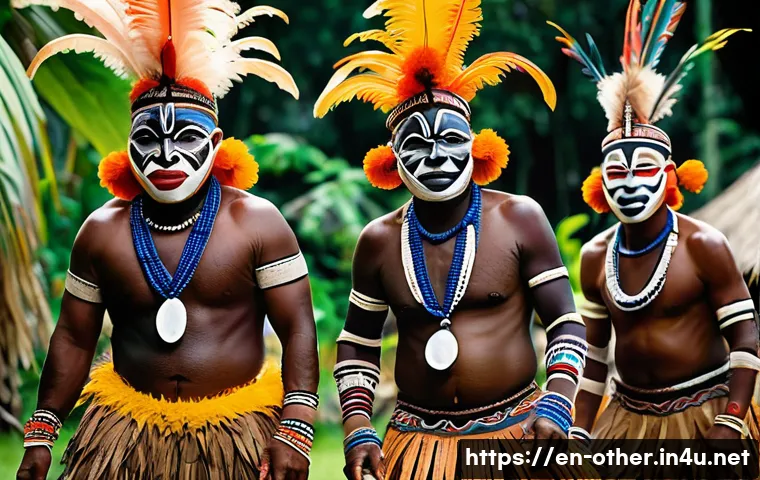
Body decoration is a vital cultural practice among many tribes, with tattoos, scarifications, and body painting serving multiple purposes—ranging from rites of passage to displays of bravery or clan affiliation.
Unlike the permanent tattoos common in Western culture, some Papua New Guinean body art is ephemeral, applied only during specific ceremonies. Experiencing a traditional dance performance, I noticed how the painted designs weren’t just aesthetic but functioned as a visual language that communicates an individual’s role or achievements within their community.
Symbolism Embedded in Material Culture
Objects such as jewelry, ceremonial poles, and even everyday tools carry symbolic meaning, often linked to ancestral stories or spiritual beliefs. The use of natural materials like feathers, shells, and bones is common, each chosen for its cultural significance.
During a visit to the Trobriand Islands, I was struck by how a simple shell necklace could signify wealth and social connections, weaving together personal identity with communal values.
Varied Social Structures and Leadership Models
Clan-Based Organization and Kinship Systems
Most tribes in Papua New Guinea operate within complex clan structures that govern social interactions, marriage, and resource sharing. These kinship systems are often matrilineal or patrilineal, influencing everything from inheritance to conflict resolution.
What stands out is how these clans foster a deep sense of belonging and responsibility, with elders playing crucial roles in decision-making. From my interactions, it’s clear that understanding these relationships is key to grasping the social fabric and daily life of each tribe.
Role of Chiefs and Community Leaders
Leadership styles vary widely—from hereditary chiefs who inherit authority to elected leaders chosen for wisdom or bravery. In some regions, leaders wield significant influence over land use, ceremonies, and justice, while in others, leadership is more fluid and shared among elders.
Witnessing a community meeting in the Highlands, I noticed how respect for leaders was intertwined with communal consensus, reflecting a delicate balance between authority and collective participation.
Gender Roles and Social Responsibilities
Gender dynamics also differ markedly among tribes, with some communities practicing strict role divisions while others exhibit more fluid interactions.
Men might be responsible for hunting and warfare, while women excel in gardening, crafting, and child-rearing, though these roles are not rigid. I found it particularly interesting how certain rituals or festivals provide opportunities for gender role reversals or shared responsibilities, highlighting the cultural complexity and adaptability of these societies.
Unique Belief Systems and Spiritual Practices
Animism and Ancestor Worship
A common thread across many Papua New Guinean tribes is animism—the belief that spirits inhabit natural objects and phenomena. Ancestor worship is often intertwined with this worldview, where rituals honor the deceased to maintain harmony and receive guidance.
I recall attending a night ceremony where offerings were made to ancestral spirits, creating an atmosphere charged with reverence and communal connection.
Such practices reveal how spirituality is deeply embedded in everyday life and environmental stewardship.
Rituals and Ceremonial Life
Rituals vary from initiation rites and fertility ceremonies to elaborate festivals that mark significant life events or seasonal changes. These ceremonies often involve music, dance, and symbolic acts that reinforce community bonds and cultural identity.
I was fortunate to witness a Sing-Sing festival, where tribes gather to display their unique costumes and dances—a vivid expression of pride and intertribal respect.
Shamanic Traditions and Healing Practices
Shamans or spiritual healers hold an important place, serving as intermediaries between the physical and spiritual worlds. Their knowledge of medicinal plants and ritual practices is passed down through generations, often guarded closely within families.
In conversations with local healers, I learned how traditional medicine coexists with modern healthcare, offering a holistic approach to well-being that integrates mind, body, and spirit.
Economic Activities and Resource Management
Subsistence Farming and Hunting
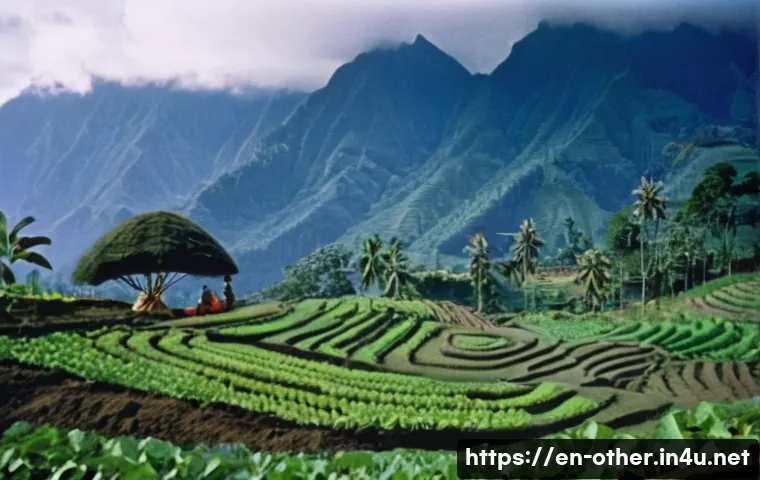
Most indigenous tribes rely on subsistence agriculture, growing root crops like taro and sweet potatoes, complemented by hunting and gathering. The methods and crops vary according to local ecology—highland tribes cultivate terraces, while coastal groups focus on fishing.
I’ve noticed how these practices are not just survival strategies but embedded in cultural rituals and social exchanges, reinforcing community ties through shared labor and reciprocity.
Trade Networks and Barter Systems
Despite geographical barriers, many tribes maintain intricate trade relationships that span regions, exchanging goods such as pottery, foodstuffs, and ceremonial items.
These exchanges are often accompanied by social rituals and gift-giving that strengthen alliances. Observing market days in remote villages, I was struck by how trade acts as a social glue, connecting diverse groups through mutual dependence and respect.
Modern Influences and Economic Challenges
The introduction of cash economies and external markets has brought both opportunities and challenges. While some communities benefit from selling crafts or agricultural products, others face pressures from resource extraction and land disputes.
Through conversations with locals, I sensed a cautious balance between embracing new economic possibilities and preserving traditional ways of life, a tension that shapes the future of these tribes.
Distinctive Housing and Settlement Patterns
Architectural Styles Reflecting Environment
Housing among Papua New Guinea’s tribes varies dramatically, shaped by climate, available materials, and cultural preferences. In the Highlands, sturdy wooden huts with steep thatched roofs protect against heavy rains, whereas coastal tribes often build stilt houses to cope with flooding.
I recall staying overnight in a village where the layout of homes reflected social organization—family compounds clustered together to foster kinship and security.
Village Layout and Social Function
The arrangement of villages often mirrors social hierarchy and communal values. Some tribes position communal spaces like meeting houses or ceremonial grounds at the center, symbolizing unity and shared responsibility.
Walking through several villages, I observed how spatial design supports social interaction, with pathways and gathering spots encouraging cooperation and dialogue.
Adaptations to Environmental Challenges
Given the diverse and sometimes harsh environments, tribes have developed ingenious solutions for sustainability and resilience. From flood-resistant building techniques to the use of natural ventilation and insulation, these adaptations demonstrate an intimate knowledge of the land.
I found that these architectural practices not only ensure comfort and safety but also embody cultural identity and respect for nature.
| Aspect | Examples | Significance |
|---|---|---|
| Languages | Over 800 languages, Tok Pisin as lingua franca | Preserves cultural identity, facilitates intertribal communication |
| Art Forms | Asaro Mudmen masks, woven baskets, body painting | Storytelling, spiritual expression, social status |
| Social Structure | Clan-based systems, hereditary and elected chiefs | Governance, kinship, community cohesion |
| Beliefs | Animism, ancestor worship, shamanism | Spiritual guidance, healing, environmental harmony |
| Economy | Subsistence farming, trade networks, cash economy influences | Survival, social bonds, modernization challenges |
| Housing | Highland huts, coastal stilt houses | Environmental adaptation, social organization |
Traditional Music and Dance as Cultural Expression
Role of Music in Rituals and Storytelling
Music is more than entertainment—it’s a vital medium for preserving history, teaching morals, and connecting with the spiritual world. Drums, flutes, and vocal chants often accompany ceremonies, with rhythms and melodies unique to each tribe.
I remember how a haunting flute melody during a nighttime ritual created a profound sense of connection and reverence among participants.
Dance Forms and Their Cultural Significance
Dance performances vary widely, from energetic war dances to graceful courtship displays. These dances often involve elaborate costumes and body paint, transforming performers into embodiments of ancestral spirits or mythological beings.
Watching a tribal dance, I was amazed at how every movement carried meaning—whether to celebrate a successful hunt or to invoke protection.
Transmission and Preservation of Musical Traditions
Traditional music and dance are typically passed down orally and through participation from a young age. Despite the influence of modern media, many communities actively work to preserve these practices through festivals and educational programs.
From my experience, engaging with these cultural expressions firsthand offers an irreplaceable window into the soul of Papua New Guinea’s diverse peoples.
Intertribal Relations and Conflict Resolution
Historical Rivalries and Alliances
Long-standing rivalries often stem from competition over land, resources, or historical grievances. Yet, these conflicts are balanced by complex alliances formed through marriage, trade, and ceremonial exchanges.
I’ve seen how rituals aimed at reconciliation can transform hostility into cooperation, underscoring the importance of diplomacy and tradition in maintaining peace.
Customary Law and Dispute Settlement
Many tribes rely on customary laws enforced by elders or chiefs to resolve disputes. These processes emphasize restoration and community harmony rather than punishment.
Observing a mediation session, I was struck by the respectful dialogue and the focus on repairing relationships, which contrasts with Western legal approaches.
Impact of Modern Legal Systems
The introduction of national laws and external governance sometimes clashes with traditional practices, creating tensions and challenges. However, there are ongoing efforts to integrate customary law within the formal legal framework, recognizing the value of indigenous conflict resolution.
Conversations with community leaders reveal a desire to protect cultural autonomy while adapting to contemporary realities.
In Conclusion
Exploring the diverse languages, social structures, and cultural expressions of Papua New Guinea reveals a remarkable tapestry of human creativity and resilience. These traditions, deeply rooted in geography and history, continue to thrive despite modern challenges. Understanding and supporting this cultural wealth is essential to preserving its unique identity for future generations. Engaging with these communities offers invaluable insights into the richness of human diversity.
Useful Information to Remember
1. Papua New Guinea’s linguistic diversity includes over 800 languages, with Tok Pisin serving as a common bridge for communication.
2. Artistic expressions such as masks, body painting, and weaving play crucial roles in storytelling and spiritual life.
3. Clan-based social systems and varied leadership models shape community governance and social responsibilities.
4. Traditional beliefs like animism and ancestor worship deeply influence daily life and environmental respect.
5. Subsistence farming, trade networks, and adapting to modern economic pressures reflect the balance between tradition and change.
Key Takeaways
Papua New Guinea’s cultural landscape is defined by its extraordinary linguistic variety and rich artistic traditions, both of which are sustained by strong social structures and spiritual practices. The interplay between isolation and connectivity fosters unique communication styles and community bonds. While modern influences pose challenges, ongoing efforts to preserve languages, customs, and local governance highlight the resilience and adaptability of these societies. Appreciating these elements is vital for fostering respect and supporting cultural preservation in a rapidly changing world.
Frequently Asked Questions (FAQ) 📖
Q: Why is Papua New Guinea considered one of the most culturally diverse places in the world?
A: Papua New Guinea’s cultural diversity largely comes from its rugged, mountainous terrain that has isolated many communities for thousands of years. This isolation allowed hundreds of indigenous tribes to develop independently, each with its own language, customs, and traditions.
Unlike many other regions where cultures blend over time, Papua New Guinea’s geography helped preserve distinct identities, making it a living mosaic of unique human cultures.
Q: How do the social structures and belief systems differ among Papua New Guinea’s tribes?
A: The social structures in Papua New Guinea vary widely—from matrilineal clans to patrilineal groups—with different roles, leadership styles, and community responsibilities.
Belief systems are equally diverse, often deeply tied to the natural environment, ancestral spirits, and rituals specific to each tribe. For example, some tribes practice elaborate initiation ceremonies or have unique spiritual healers, reflecting their distinct worldview shaped by history and environment.
Q: What can we learn about human culture from studying the indigenous tribes of Papua New Guinea?
A: Studying these tribes reveals how environment and isolation influence cultural evolution. It shows that human societies can adapt in countless ways, creating complex languages, art forms, and social customs tailored to their surroundings.
It also reminds us of the importance of preserving cultural diversity, as each tribe holds invaluable knowledge and perspectives that enrich our understanding of humanity as a whole.