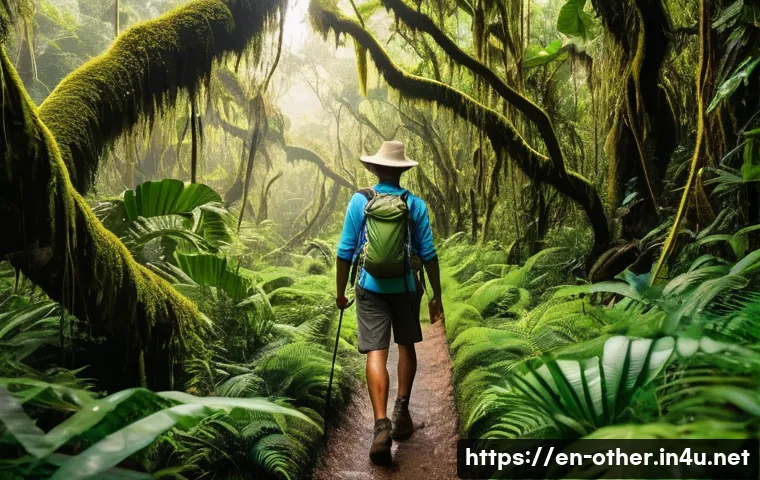
Imagine stepping into a world where lush rainforests stretch endlessly, vibrant wildlife calls from every corner, and the air feels pure and untouched.
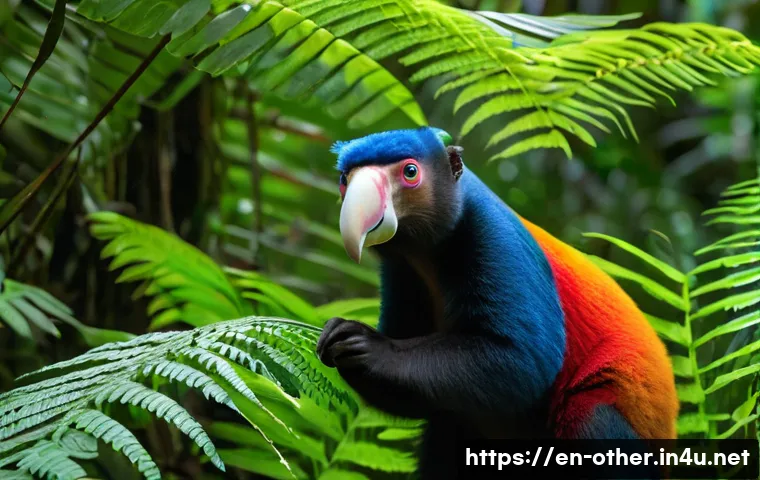
Papua New Guinea offers an extraordinary escape into nature’s heart, perfect for those craving genuine relaxation and adventure combined. Whether trekking through dense jungles or soaking in the tranquil beauty of hidden waterfalls, this destination promises a soul-refreshing experience like no other.
I’ve had the chance to explore its wild landscapes firsthand, and the sense of peace here is truly unmatched. Ready to uncover the secrets of this natural paradise?
Let’s dive in and explore the details together!
Immersing in Papua New Guinea’s Untamed Wilderness
Exploring the Dense Jungle Trails
Walking through Papua New Guinea’s jungles feels like stepping into a living, breathing world completely untouched by modern life. The trails wind through towering trees draped in moss and vines, and every step reveals a new surprise — from colorful birds darting overhead to the distant calls of exotic animals.
What struck me the most was the sheer density of the greenery; it’s not just a forest, it’s a vibrant ecosystem humming with life. Navigating these trails requires some effort, but that challenge only deepens the reward.
I remember pausing often just to soak in the symphony of sounds and breathe in the earthy scent of wet leaves and rich soil. It’s a powerful reminder of how wild and beautiful untouched nature can be.
Encountering Unique Wildlife Up Close
Papua New Guinea is a treasure trove for wildlife lovers. I was lucky enough to spot the rare birds of paradise, whose flamboyant plumage is a living masterpiece.
The birds’ elaborate courtship dances are mesmerizing, something you just don’t see anywhere else. Beyond birds, the jungles shelter tree kangaroos, cassowaries, and countless insects, each with their own story.
What made the experience unforgettable was the feeling of being a guest in their home — observing without disturbing. Local guides helped spot these elusive creatures, sharing fascinating facts and cultural stories passed down through generations.
This connection to both nature and local heritage added a depth to my adventure that felt truly special.
Finding Serenity at Hidden Waterfalls
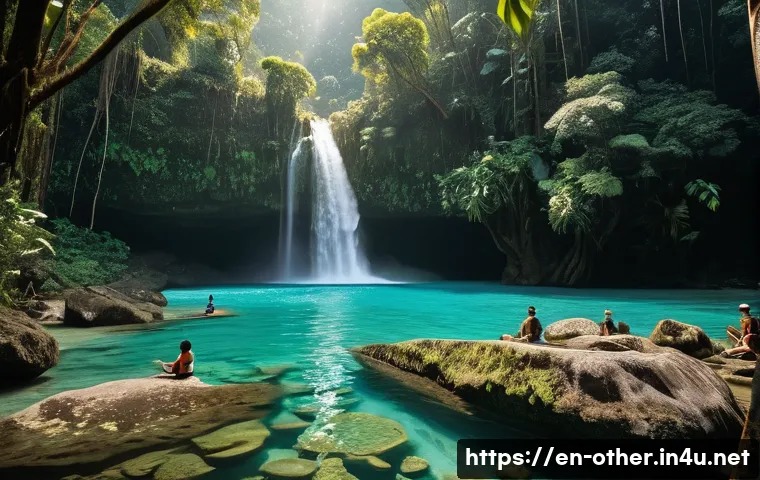
Among the thick forests are secret waterfalls that feel like private sanctuaries. I discovered these gems after a bit of a hike, and the moment I heard the rushing water, a wave of calm washed over me.
The pools beneath the falls are crystal clear and inviting, perfect for a refreshing dip after a sweaty trek. Sitting on the smooth rocks, listening to the water crash and watching the sunlight filter through the canopy, I felt completely disconnected from the world’s chaos.
These tranquil spots offer more than just natural beauty — they’re moments of pure peace that recharge your spirit. It’s easy to lose track of time here, absorbed in the gentle rhythm of nature.
Traditional Villages and Cultural Connections
Meeting Local Tribes and Experiencing Authentic Traditions
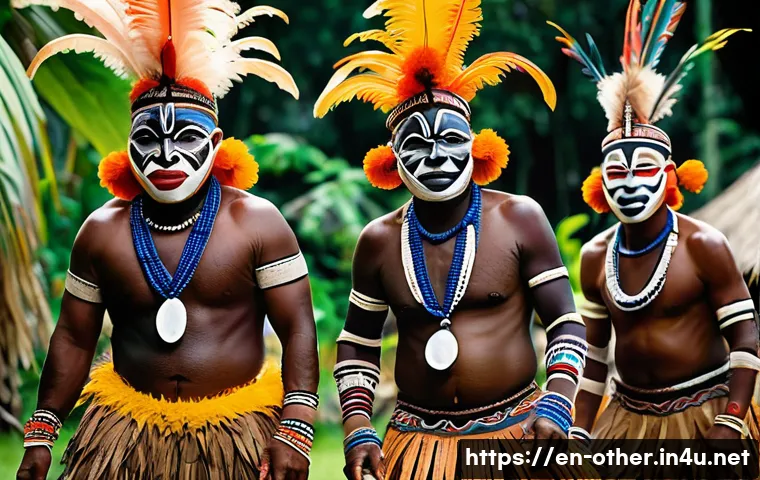
Papua New Guinea’s cultural diversity is as rich as its landscapes. I had the chance to visit remote villages where traditions remain deeply rooted in everyday life.
The warmth and hospitality of the villagers were humbling — they welcomed me as part of their community, sharing stories, songs, and dances. Witnessing traditional ceremonies and handmade crafts gave me insight into a way of life that values harmony with nature and ancestral wisdom.
These experiences went beyond sightseeing; they were moments of genuine human connection that left a lasting impression. It’s rare to encounter such authenticity in today’s fast-paced world, and it reminded me why travel is about more than just places — it’s about people.
Learning the Importance of Sustainability and Respect
The communities I visited showed a profound respect for their environment, teaching me how sustainability isn’t just a buzzword but a way of life. They harvest resources carefully, ensuring future generations can enjoy the same natural wealth.
I was impressed by their knowledge of medicinal plants and their sustainable farming techniques, which blend traditional wisdom with modern practices.
It’s inspiring to see how culture and conservation intertwine here, making tourism a tool for supporting rather than exploiting local heritage. This approach challenged me to rethink my own impact as a traveler and embrace more responsible ways of exploring the world.
Adventure Activities Beyond the Beaten Path
Thrilling River Rafting Experiences
For those craving an adrenaline rush, Papua New Guinea’s rivers offer some exhilarating rafting opportunities. The rapids cut through the jungle, presenting a mix of calm stretches and heart-pounding whitewater.
I remember the first time I took on the currents — the rush of navigating through turbulent waters surrounded by lush greenery was unforgettable. It’s a full-body adventure that demands focus and teamwork, but the reward is a unique vantage point to see the forest from a different angle.
The guides were incredibly knowledgeable, making sure safety was top priority while encouraging us to embrace the wild spirit of the river.
Scuba Diving in Pristine Coral Reefs
Diving off Papua New Guinea’s coast is like entering an underwater Eden. The reefs are bursting with vibrant corals, schools of tropical fish, and even the occasional sea turtle gliding by.
I was blown away by the clarity of the water and the diversity of marine life. Exploring these underwater worlds felt like discovering hidden kingdoms beneath the surface.
Whether you’re a seasoned diver or a curious beginner, the local dive centers provide excellent support and gear. The best part? You get to witness the ocean’s wonders far from the crowded tourist spots, making every dive feel personal and awe-inspiring.
Hiking to Majestic Mountain Vistas
Papua New Guinea’s mountainous terrain offers some of the most breathtaking hikes I’ve ever done. Trails lead you through cool highland forests, where mist hangs low and the air is crisp.
Reaching the summits rewards you with sweeping views of valleys, volcanoes, and endless green horizons. I often found myself catching my breath not just from the climb but from the sheer beauty surrounding me.
These hikes are challenging but deeply satisfying, especially when you pause to appreciate the silence broken only by birdsong. It’s a humbling experience that reconnects you with nature’s grandeur.
Planning Your Trip: Practical Tips and Insights
Best Times to Visit for Weather and Wildlife
Timing your trip can make all the difference in Papua New Guinea. The dry season, typically from May to October, is ideal for trekking and outdoor adventures since trails are less muddy and wildlife is more visible.
Conversely, the wet season brings lush greenery and powerful waterfalls but also more rain and slippery paths. I personally preferred the dry months because the weather was more predictable, making it easier to explore without worrying about sudden downpours.
Wildlife activity also tends to peak during these drier months, giving you better chances of spotting rare species. Planning ahead based on your interests will ensure you get the most out of your visit.
Essential Gear and Preparation for Jungle Travel
Packing smart is key to enjoying Papua New Guinea’s wild environment comfortably. I found that lightweight, breathable clothing worked best, paired with sturdy hiking boots for uneven terrain.
Mosquito repellent and a good first-aid kit are absolute must-haves, given the remote locations and tropical climate. Bringing a waterproof backpack cover saved my gear during unexpected showers.
Also, having a reliable headlamp made late-night walks and campsite chores much easier. Preparing physically for the hikes helped me avoid fatigue — simple cardio workouts beforehand made the difference.
Taking these small but important steps made the journey far smoother and more enjoyable.
Understanding Local Customs and Respectful Behavior
Respect for local customs goes a long way in Papua New Guinea, where many communities hold strong cultural values. I learned to ask permission before taking photos of people or their homes, which was always appreciated.
Dress codes tend to be conservative in villages, so modest clothing helped me blend in and show respect. Speaking a few words of Tok Pisin, the local lingua franca, earned smiles and opened doors to meaningful conversations.
Showing genuine interest and humility in unfamiliar settings made my experience richer and fostered goodwill. It’s these small gestures that transform a visit from mere sightseeing into authentic cultural exchange.
Highlighting Papua New Guinea’s Natural Wonders in One Glance
| Natural Feature | Best Season to Visit | Recommended Activity | Difficulty Level |
|---|---|---|---|
| Rainforest Trails | May to October (Dry Season) | Hiking, Wildlife Watching | Moderate to Challenging |
| Waterfalls | Year-round (Peak Flow in Wet Season) | Swimming, Photography | Easy to Moderate |
| Coral Reefs | June to September | Scuba Diving, Snorkeling | Beginner to Advanced |
| Mountain Vistas | Dry Season | Trekking, Bird Watching | Challenging |
| Rivers | Dry Season | Rafting, Kayaking | Moderate |
Connecting with Papua New Guinea’s Spirit Through Local Cuisine
Savoring Traditional Flavors
Food in Papua New Guinea is a gateway to understanding its culture and environment. I was fascinated by how the locals use native ingredients like sago, taro, and fresh seafood to create dishes that are both simple and deeply satisfying.
Trying a traditional mumu feast — where food is cooked underground with hot stones — was an unforgettable experience. The smoky aroma and communal style of eating made it feel like more than just a meal; it was a celebration of community and nature’s bounty.
Sampling local fruits and root vegetables also gave me a fresh appreciation for the island’s agricultural diversity.
Where to Find Authentic Dining Experiences
While bigger towns have restaurants serving international fare, the real culinary treasures are found in village markets and small eateries. I loved wandering through markets filled with vibrant produce and chatting with vendors who were proud of their harvests.
These spots offered a chance to taste homemade snacks and freshly caught fish prepared with traditional herbs and spices. For travelers wanting a more immersive experience, some villages welcome guests for home-cooked meals, providing a genuine taste of daily life.
These encounters not only satisfy hunger but also deepen your connection to the local culture.
Balancing Adventure and Comfort in Food Choices
Adventuring in remote areas sometimes means limited food options, so I learned to be flexible and prepared. Carrying snacks like nuts and dried fruit helped keep energy levels up during long treks.
Staying hydrated was crucial, especially in humid conditions, so I always had a water purification method handy. Despite the rustic settings, I found that eating well was entirely possible with a bit of planning.
Embracing local foods enriched my journey, but having familiar comfort foods on hand offered reassurance during more challenging moments. This balance made the overall experience feel both exciting and manageable.
Conclusion
Exploring Papua New Guinea’s wild landscapes and vibrant cultures offers an unforgettable journey into one of the world’s most unique destinations. From dense jungles and hidden waterfalls to rich traditions and thrilling adventures, every moment immerses you deeper into its spirit. This blend of natural beauty and authentic human connection leaves a lasting impression that lingers long after the trip ends.
Useful Information to Keep in Mind
1. The dry season, from May to October, is the best time to visit for trekking and wildlife viewing due to favorable weather conditions.
2. Packing lightweight, breathable clothes, sturdy boots, and insect repellent will make jungle exploration more comfortable and safe.
3. Respecting local customs—such as asking permission before photographing and dressing modestly—helps foster positive interactions with communities.
4. Engaging with local guides enriches the experience by providing cultural insights and ensuring safety during outdoor activities.
5. Balancing adventurous eating with familiar snacks and staying hydrated is key to maintaining energy and comfort in remote areas.
Key Takeaways for Your Papua New Guinea Adventure
Approach your trip with an open mind and a respectful attitude to fully appreciate Papua New Guinea’s unparalleled natural wonders and cultural heritage. Preparation is essential—both physically and logistically—to navigate the challenging terrain and unpredictable weather. Prioritize sustainable and responsible travel practices to support local communities and preserve the environment. Lastly, embrace every experience as a chance to connect deeply with nature and the people, turning your journey into a meaningful story worth sharing.
Frequently Asked Questions (FAQ) 📖
Q: What is the best time of year to visit Papua New Guinea for trekking and exploring nature?
A: The ideal time to visit Papua New Guinea is during the dry season, which typically runs from May to October. During these months, the weather is more predictable with less rain, making trekking through dense jungles and exploring waterfalls safer and more enjoyable.
From my experience, visiting in the dry season means you can fully immerse yourself in the natural beauty without constantly worrying about muddy trails or sudden downpours.
Q: How accessible are the remote rainforests and waterfalls in Papua New Guinea for first-time visitors?
A: While Papua New Guinea’s landscapes are stunning, accessing remote rainforests and hidden waterfalls can be challenging for first-timers due to limited infrastructure and rugged terrain.
However, with the help of local guides and organized tours, even beginners can navigate these areas safely. I personally found that hiring a knowledgeable guide not only ensured my safety but also enriched the experience by sharing cultural insights and pointing out wildlife I might have otherwise missed.
Q: What should I pack for a nature adventure in Papua New Guinea?
A: Packing smart is key to enjoying your trip. Essentials include sturdy waterproof hiking boots, lightweight and breathable clothing, insect repellent, a good-quality rain jacket, and a reliable water bottle.
I also recommend bringing a camera with a zoom lens to capture wildlife from a distance and a flashlight for evening walks. Don’t forget basic first-aid supplies and any personal medications, as medical facilities can be sparse in remote areas.
From my trips, being well-prepared made a huge difference in staying comfortable and safe throughout the adventure.