As summer approaches, excitement builds around one of Mongolia’s most vibrant and deeply rooted traditions: the Naadam Festival. This year, Naadam 2024 promises an even more immersive cultural experience, blending ancient customs with modern celebrations that draw visitors from across the globe.
Whether you’re a first-time traveler or a returning enthusiast, understanding the festival’s schedule and key highlights will unlock the true spirit of Mongolia’s nomadic heritage.
From thrilling horse races to captivating wrestling matches, this guide will help you navigate the must-see moments and insider tips to make your visit unforgettable.
Join me as we dive into the heart of Mongolia’s most iconic event, where history, culture, and community come alive like nowhere else.
Immersive Traditional Sports That Define Naadam
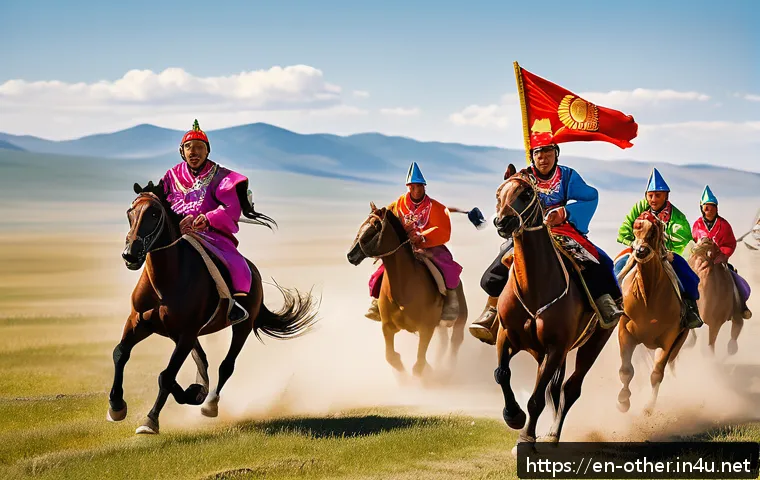
Horse Racing: The Pulse of the Steppe
Horse racing during Naadam isn’t your typical race—it’s a breathtaking display of Mongolia’s nomadic spirit. Unlike Western-style races, Mongolian horse races cover vast distances, sometimes up to 30 kilometers, with young riders, often children between the ages of 7 and 13, guiding their horses across rugged terrain.
Experiencing this firsthand, I was struck by the raw energy and stamina of both horse and rider, a testament to centuries of nomadic heritage. The excitement builds as the horses thunder past, each jockey urging their mount with a mix of skill and youthful determination.
The race isn’t just about speed; it’s a deep cultural ritual that bonds communities and honors the horses as revered partners.
Wrestling: Strength, Strategy, and Tradition
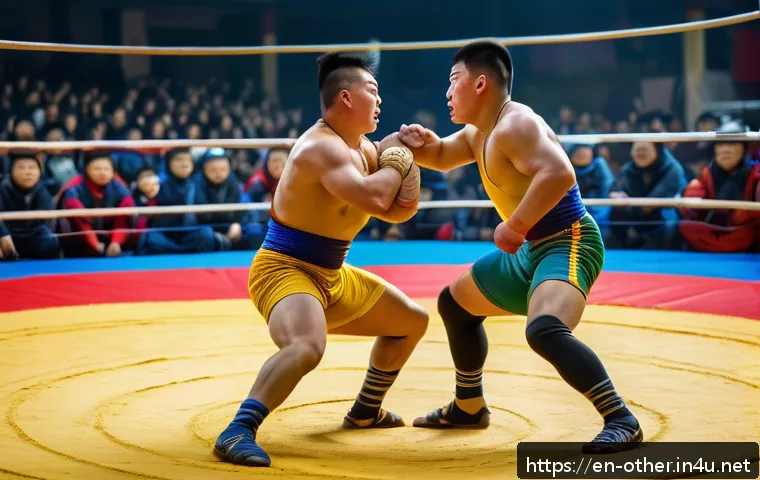
Naadam wrestling is unlike any other sport—it’s a blend of brute strength, technique, and ritualistic grandeur. Wrestlers wear traditional costumes called “zodog” and “shuudag,” and matches are punctuated by ceremonial dances that add a layer of cultural storytelling.
Watching the bouts, I noticed the intense focus and respect between competitors; it’s not just a fight but a display of honor and endurance. The tournament culminates in a champion crowned with great fanfare, embodying the virtues of courage and resilience that resonate deeply within Mongolian identity.
Archery: Precision Meets Heritage
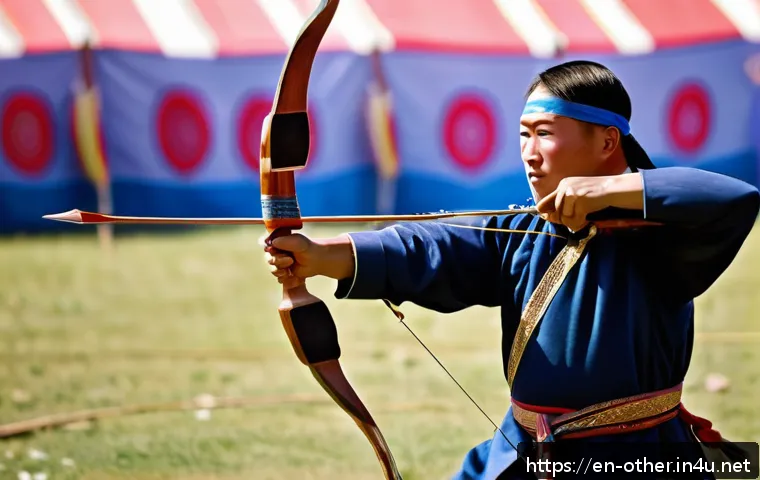
Archery at Naadam is a captivating spectacle where skill and tradition intersect. Participants use traditional Mongolian bows, which require immense strength and practice to master.
The atmosphere around the archery field is electric as archers take turns aiming for small wooden targets set at challenging distances. What fascinated me was the community aspect—cheers and encouragement ripple through the crowd, creating a shared sense of pride.
Archery isn’t just a sport here; it’s a living connection to the past, celebrated through every arrow released.
Exploring the Festive Atmosphere and Cultural Performances
Colorful Opening Ceremonies and Parades
The Naadam Festival kicks off with a grand opening ceremony that bursts with color and energy. Traditional costumes, vibrant flags, and rhythmic drumming set the stage for days filled with celebration.
Walking through the parade, I was immersed in a kaleidoscope of cultural expression, from the elegant movements of dancers to the powerful chants of throat singers.
The opening sets a tone of unity and pride, inviting visitors to witness Mongolia’s rich heritage in full display.
Traditional Music and Dance: The Soul of Naadam
Beyond the sports, Naadam is a feast for the senses with performances of traditional music and dance. The haunting melodies of the morin khuur (horsehead fiddle) and the mesmerizing throat singing transport listeners to the vast Mongolian steppes.
I found myself drawn into the stories these performances tell—tales of love, nature, and heroic deeds passed down through generations. The dances, often performed in intricate costumes, showcase the grace and strength of Mongolian culture, creating an unforgettable cultural tapestry.
Local Cuisine: Savoring Authentic Flavors
No festival experience is complete without tasting local food, and Naadam offers a delicious array of traditional Mongolian dishes. From hearty bowls of buuz (steamed dumplings) to flavorful khuushuur (fried meat pies), the food reflects the nomadic lifestyle’s simplicity and richness.
I particularly enjoyed sampling airag, a fermented mare’s milk drink, which locals celebrate as a symbol of hospitality. Sharing meals with new friends at the festival grounds deepened my appreciation for Mongolia’s communal spirit.
Essential Tips for Navigating Naadam Like a Local
Best Times and Places to Catch Events
Timing is everything at Naadam. While the main festivities span several days, the early mornings offer a more intimate experience, especially at horse racing venues located far from the city center.
From my visits, I learned that arriving early not only secures better viewing spots but also lets you witness pre-race rituals that are often missed by larger crowds.
In Ulaanbaatar, the central stadium hosts wrestling and archery, making it easy to hop between events, but venturing to the countryside reveals a more authentic, grassroots celebration.
What to Wear and How to Prepare
Dressing appropriately can enhance your comfort and cultural immersion. Lightweight, breathable clothes are a must during Mongolia’s warm summers, but temperatures can drop quickly in the evening, so layering is essential.
I found that wearing sturdy shoes was crucial for navigating uneven terrain around race tracks and festival grounds. Also, bringing a wide-brimmed hat and sunscreen helped me stay protected from the sun during long hours outdoors.
Embracing some traditional accessories, like a simple deel-inspired scarf, can be a fun way to connect with locals.
Respectful Behavior and Cultural Etiquette
Understanding local customs enriches your Naadam experience. For instance, when watching wrestling matches, standing quietly during ceremonial dances shows respect.
I noticed that greeting elders with a slight bow or nod is appreciated and opens doors to warm interactions. Photography is generally welcomed, but it’s polite to ask permission before taking close-up shots of individuals.
Most importantly, approaching the festival with an open heart and curiosity fosters meaningful connections with the people who keep these traditions alive.
Discovering the Unique Handicrafts and Souvenirs of Naadam
Traditional Textiles and Clothing
Naadam is a perfect opportunity to explore Mongolia’s exquisite handicrafts, especially textiles and clothing. The intricate patterns and vibrant colors of handwoven deels (traditional robes) showcase the artistry passed down through generations.
I was captivated by the stories behind each motif, often symbolizing protection, prosperity, or nature. Purchasing a handmade deel or embroidered scarf not only supports local artisans but also gives you a tangible piece of Mongolian heritage to treasure.
Leatherwork and Jewelry
Mongolian leather crafts are renowned for their durability and design, often used for belts, boots, and bags. At Naadam markets, I found beautifully crafted leather goods that blend functionality with aesthetic appeal.
Jewelry made from silver and adorned with turquoise and coral beads reflects the nomads’ deep connection to the land and their beliefs. Trying on these pieces, I felt a subtle link to the ancient traditions embedded in their creation.
Artisanal Souvenirs to Bring Home
Beyond clothing and jewelry, Naadam offers a range of unique souvenirs like hand-carved wooden bowls, traditional musical instruments, and felt goods.
I particularly enjoyed discovering small morin khuur replicas, which make meaningful gifts for music lovers. These souvenirs carry stories and craftsmanship that enrich any traveler’s collection, serving as reminders of the vibrant culture experienced during the festival.
Logistics and Accommodations for a Smooth Naadam Experience
Where to Stay: From Ger Camps to City Hotels
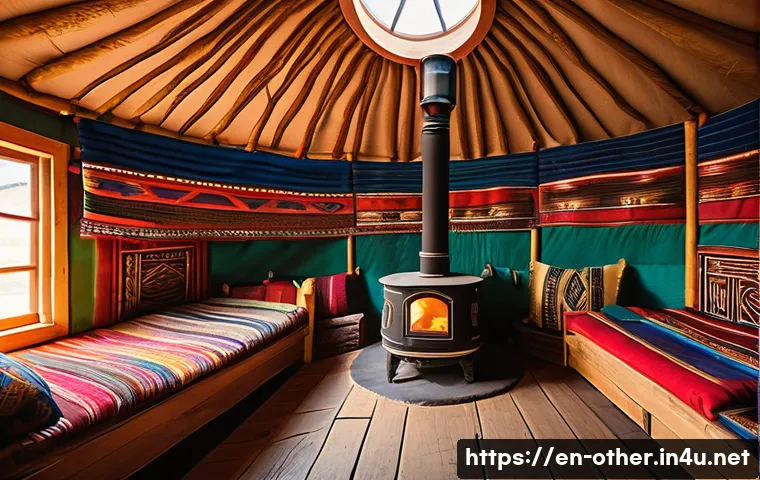
Finding the right accommodation can shape your entire festival experience. For a truly immersive stay, I recommend booking a traditional ger camp outside Ulaanbaatar, where you can enjoy the tranquility of the steppe and connect with nomadic lifestyles firsthand.
Alternatively, the city offers a range of hotels from budget to luxury, providing easy access to the main festival venues. Booking early is key, as Naadam draws large crowds and accommodations fill quickly.
Getting Around: Transportation Tips
Navigating Naadam’s various venues requires some planning. In Ulaanbaatar, taxis and ride-sharing apps are convenient for short trips, but during the festival, traffic can be heavy.
I found that walking between nearby sites not only saves time but also allows for spontaneous encounters with locals. For horse racing events in the countryside, organized tours or renting a car are practical options, giving you flexibility and a chance to explore Mongolia’s stunning landscapes.
Staying Connected and Safe
While Mongolia is relatively safe, taking basic precautions enhances peace of mind. Carrying a local SIM card ensures reliable communication, especially in remote areas.
I always kept a small first-aid kit handy and stayed hydrated under the summer sun. Being mindful of weather changes and dressing accordingly made a big difference in comfort.
Also, familiarizing yourself with emergency contacts and festival guidelines helped me enjoy the celebrations without worries.
Overview of Key Naadam Events and Locations
| Event | Location | Typical Time | Highlights |
|---|---|---|---|
| Opening Ceremony | Ulaanbaatar Central Stadium | Morning, July 11 | Parade, traditional costumes, cultural performances |
| Horse Racing | Outskirts of Ulaanbaatar and countryside | Early morning, July 12-13 | Long-distance races with young jockeys |
| Wrestling | Ulaanbaatar Central Stadium | Afternoon, July 11-13 | Traditional wrestling matches and ceremonies |
| Archery | Ulaanbaatar Central Stadium | Daytime, July 11-13 | Traditional archery contests with wooden targets |
| Cultural Performances | Various festival venues | Throughout the festival | Music, dance, throat singing, and local cuisine |
Engaging with the Local Community and Beyond
Participating in Workshops and Demonstrations
One of the most rewarding ways to connect with Naadam’s spirit is through hands-on workshops. I joined a felt-making session where locals patiently showed how to craft traditional hats and rugs.
These interactive experiences go beyond sightseeing, offering insight into the skills that sustain Mongolian culture. Participating allowed me to appreciate the craftsmanship deeply and meet passionate artisans eager to share their heritage.
Volunteering Opportunities and Cultural Exchange
For travelers seeking a meaningful contribution, some organizations offer volunteer programs during Naadam. Helping with event organization or community outreach provides a unique perspective on the festival’s impact.
I found that volunteering opened doors to heartfelt conversations and friendships, enriching my understanding far beyond the usual tourist experience.
It’s a chance to give back and immerse yourself in Mongolia’s warm hospitality.
Exploring Nearby Attractions Post-Naadam
After the festival’s energy, exploring Mongolia’s natural wonders offers a perfect balance. I recommend visiting Terelj National Park for stunning rock formations and nomadic camps, or the Gandan Monastery for spiritual calm.
These excursions extend your journey, allowing reflection on the festival’s themes of tradition and community amidst breathtaking landscapes. Planning a few extra days makes the entire trip truly unforgettable.
In Conclusion
Naadam is more than just a festival—it’s a vibrant celebration of Mongolia’s rich heritage and nomadic traditions. Experiencing the thrilling horse races, powerful wrestling matches, and precise archery firsthand reveals a culture deeply rooted in respect, skill, and community. The colorful ceremonies, traditional music, and warm hospitality make Naadam an unforgettable journey into the heart of Mongolian identity.
Helpful Information to Know
1. Arrive early to key events like horse racing to secure the best views and witness authentic pre-race rituals that many miss later in the day.
2. Dress in layers and wear sturdy shoes to stay comfortable throughout the day, as weather can change and terrain is often uneven.
3. Bring cash for local markets and souvenirs, as some vendors may not accept cards during the festival.
4. Respect local customs by observing quiet moments during ceremonies and asking permission before taking close-up photos of people.
5. Consider staying at a ger camp outside the city for a more immersive experience, but book accommodations early due to high demand.
Key Points to Remember
Understanding the cultural significance behind Naadam’s traditional sports and ceremonies enriches your visit and deepens appreciation for Mongolian heritage. Prioritizing respectful behavior and engaging with locals through workshops or volunteering can transform your experience from a simple spectator event to a meaningful cultural exchange. Planning logistics like transportation and accommodation ahead ensures a smooth and enjoyable festival experience, allowing you to fully immerse yourself in this extraordinary celebration.
Frequently Asked Questions (FAQ) 📖
Q: uestions about Naadam Festival 2024Q1: When exactly does the Naadam Festival take place in 2024, and how long does it last?
A: Naadam Festival 2024 is scheduled to run from July 11th to July 15th. Traditionally, the festival spans about five days, with the first few days filled with cultural performances, parades, and preparations, leading up to the main events on July 11th and 12th.
Attending throughout the festival allows you to experience not only the thrilling competitions but also the vibrant local festivities that showcase Mongolia’s rich heritage.
Q: What are the must-see events during Naadam, and how can I best experience them?
A: The three main events you absolutely cannot miss are horse racing, wrestling, and archery—the so-called “Three Manly Games.” Horse races are especially spectacular, featuring young jockeys riding over long distances, often in the vast Mongolian steppes.
Wrestling matches are intense and filled with tradition, while archery showcases incredible skill and precision. To fully enjoy these, it’s best to arrive early, secure a good viewing spot, and consider hiring a local guide who can explain the customs and rules, making the experience richer and more meaningful.
Q: Are there any insider tips for tourists attending Naadam for the first time?
A: Definitely! First, dress comfortably but respectfully—light layers work well since July can be warm during the day and cool at night. Bring cash in Mongolian tögrög, as many vendors don’t accept cards.
Also, try local foods like buuz (steamed dumplings) at the festival grounds to immerse yourself in the culture. Lastly, be patient and open-minded; the festival is as much about community spirit and tradition as it is about the competitions, so soaking in the atmosphere will leave you with unforgettable memories.