As travel trends shift toward more off-the-beaten-path destinations, Madagascar’s Emerald Coast is capturing the hearts of adventurous explorers seeking authentic experiences.
With its untouched beaches, vibrant marine life, and rich cultural tapestry, this hidden gem offers a refreshing escape from the usual tourist spots. Whether you’re a nature lover or a thrill-seeker, the Emerald Coast promises unforgettable moments and breathtaking discoveries.
Join me as we uncover the secrets of this remarkable region and dive into an adventure that’s truly one of a kind. Get ready to be inspired for your next journey!
Exploring Secluded Beaches and Coastal Villages
Discovering Untouched Shorelines
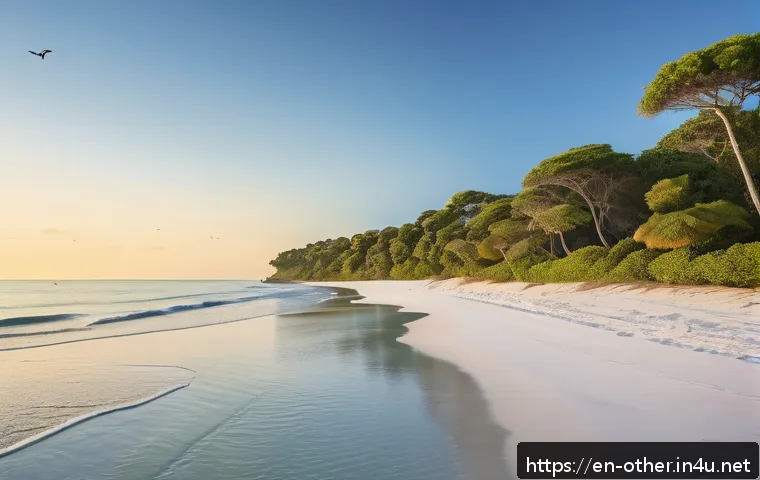
The Emerald Coast is a true sanctuary for beach lovers who crave serenity away from crowded tourist hubs. Walking along these pristine shorelines, you’ll find soft white sands that stretch endlessly, kissed by crystal-clear turquoise waters.
Unlike the bustling beaches you might expect in more commercialized destinations, here the silence is only broken by gentle waves and the occasional call of seabirds.
It’s a place where you can truly disconnect and soak in nature’s raw beauty. Personally, I felt like I had the entire coastline to myself during my early morning strolls, which made the experience incredibly peaceful and reflective.
Immersing in Coastal Village Life
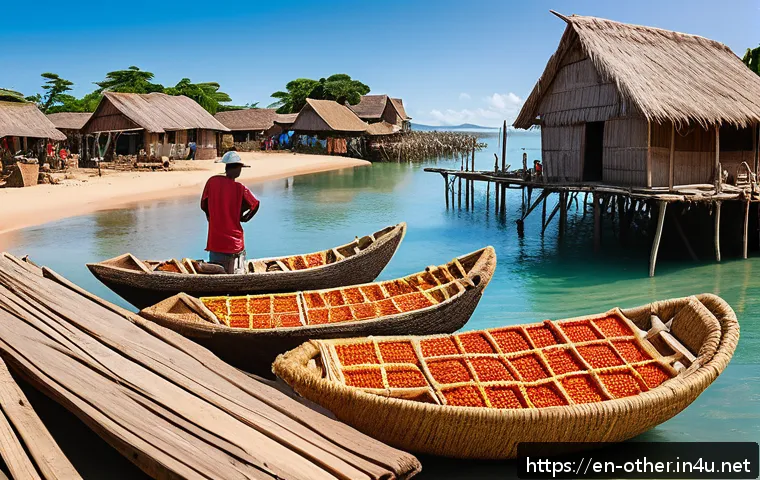
Beyond the sands, the small fishing villages scattered along the coast offer a glimpse into the local way of life. These communities are vibrant yet humble, where traditions are alive and well.
Meeting local fishermen returning with their daily catch or joining in a communal meal featuring fresh seafood felt like stepping back into a simpler time.
The warmth and friendliness of the villagers made me feel instantly welcomed, and I couldn’t help but be drawn into their stories and culture. It’s a rare chance to experience authentic Malagasy coastal living that feels far removed from tourist traps.
Best Times to Visit for a Quiet Escape
Timing your visit to the Emerald Coast can greatly enhance your experience. The shoulder seasons, particularly between April and June or September to November, offer pleasant weather and fewer visitors.
During these months, the ocean is calm and perfect for swimming or snorkeling, while the villages are bustling with local festivals and markets. Avoiding the peak summer months not only means less crowd but also more opportunities to interact with locals and explore at your own pace without feeling rushed or overwhelmed.
Unveiling the Underwater Wonders
Snorkeling and Diving in Vibrant Coral Reefs
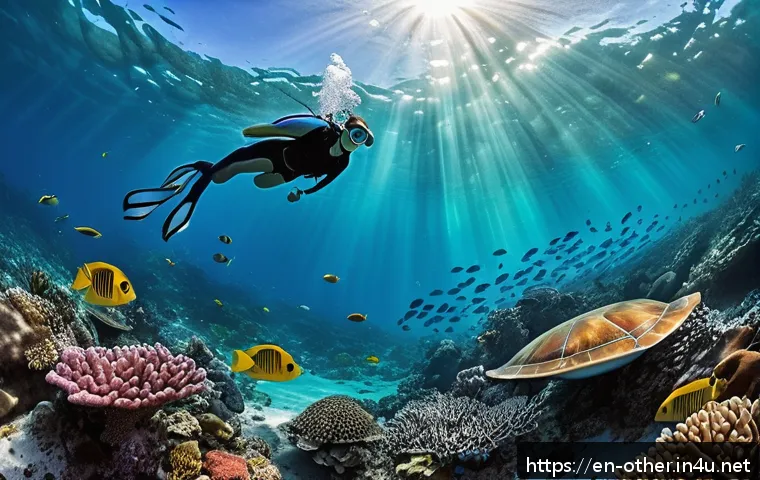
The underwater world off the Emerald Coast is nothing short of spectacular. Coral reefs teem with colorful fish, sea turtles, and even occasional sightings of reef sharks.
I was amazed by the sheer diversity and clarity of the waters, which made every dive feel like entering a living, breathing aquarium. Snorkeling here is accessible even for beginners, thanks to calm and warm waters.
For more experienced divers, there are deeper reefs and underwater caves that reveal even more marine life, providing thrilling exploration opportunities.
Marine Conservation Efforts You Can Support
One aspect that truly impressed me was the community-driven marine conservation projects. Many local groups actively protect coral reefs and endangered species, promoting sustainable tourism that benefits both nature and locals.
Visitors can learn about these efforts firsthand by participating in beach cleanups or educational tours. It’s rewarding to see how tourism here contributes positively to preserving this delicate ecosystem, and as travelers, supporting these initiatives helps ensure that future generations can enjoy the same natural beauty.
Top Spots for Wildlife Encounters Below the Surface
Certain areas along the coast are renowned for specific marine species. For instance, the waters near the fishing village of Anakao are famous for manta ray sightings, while the Nosy Ve island area is a hotspot for colorful reef fish and sea turtles.
Planning your trip around these hotspots can significantly increase your chances of unforgettable encounters. From my own dives, I can say that witnessing a graceful manta ray glide just meters away was a breathtaking highlight that I still vividly remember.
Experiencing the Rich Cultural Heritage
Traditional Malagasy Music and Dance
The Emerald Coast isn’t just about nature—it’s also a place where Malagasy culture thrives vibrantly. Local festivals often feature traditional music and dance, with rhythms and movements that tell stories passed down through generations.
I had the joy of attending a village celebration where the beat of drums and the joyful singing created an infectious energy that got everyone dancing.
Experiencing this cultural expression firsthand is a powerful reminder of the deep-rooted heritage that shapes the community.
Handicrafts and Local Artisans
Artisans along the coast craft beautiful handmade goods using natural materials like raffia, seashells, and wood. Visiting local markets reveals stunning textiles, baskets, and jewelry that make meaningful souvenirs.
I found chatting with the craftsmen fascinating—they shared insights into their techniques and the significance behind their patterns. Supporting these artisans not only enriches your travel experience but also helps sustain traditional crafts that might otherwise fade away.
Indigenous Culinary Delights to Savor
Food in this region is a delightful blend of flavors influenced by Malagasy staples and coastal ingredients. Fresh seafood is the star, often prepared with aromatic spices and herbs unique to the area.
I remember savoring grilled fish with a zesty lime sauce alongside rice infused with coconut milk—simple yet incredibly flavorful. Sampling street food and home-cooked meals in village settings gave me a genuine taste of local life that restaurants simply can’t replicate.
Thrilling Outdoor Adventures Beyond the Coastline
Hiking Through Lush Coastal Forests
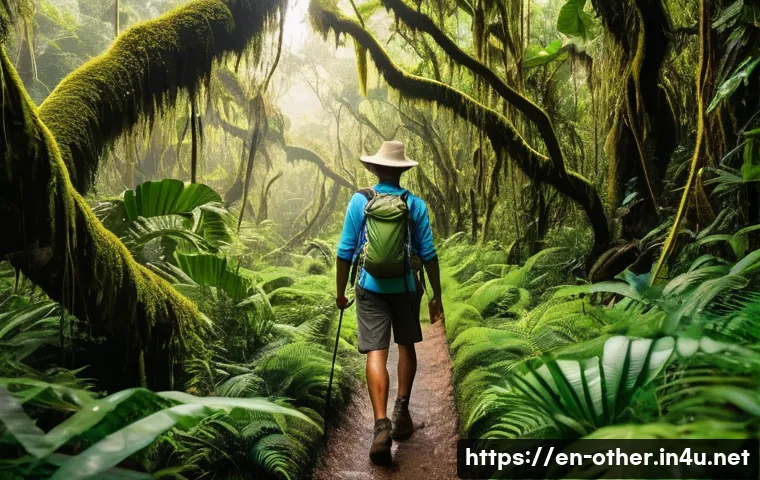
Just inland from the beaches, the Emerald Coast boasts dense forests rich in biodiversity. Hiking trails wind through these verdant landscapes, offering encounters with exotic birds, lemurs, and unique plant species.
Trekking here feels like stepping into a nature documentary, with every turn revealing something new and exciting. I found the cooler forest air refreshing and loved how the canopy filtered sunlight, creating a magical atmosphere perfect for nature photography or quiet contemplation.
Kayaking and Paddleboarding for Active Explorers
For those who want to stay active on the water, kayaking and paddleboarding along the coast provide exhilarating ways to explore hidden coves and mangrove-lined estuaries.
Paddling at dawn or dusk offers stunning views of the coastline bathed in golden light, and the chance to spot wildlife like kingfishers and crabs. I tried paddleboarding for the first time here, and it was a mix of fun and challenge that made me appreciate the calm beauty of the sea from a new perspective.
Birdwatching Hotspots and Rare Species
The coastal forests and wetlands are home to numerous bird species, some endemic to Madagascar. Birdwatching enthusiasts will find this area a treasure trove, with species ranging from brightly colored vangas to elusive owls.
Early morning guided tours are recommended to catch the most activity and learn about the birds’ habits and habitats. I was lucky to spot a family of Madagascar fish eagles during one hike, a rare sight that left a lasting impression.
Planning Your Stay: Accommodations and Travel Tips
Eco-Friendly Lodges and Boutique Hotels
Accommodations along the Emerald Coast range from rustic beach bungalows to eco-lodges that emphasize sustainability. Choosing a place that respects the environment enhances your connection to the natural surroundings and supports responsible tourism.
During my visit, staying at a small eco-lodge run by local families allowed me to enjoy comfort without compromising on authenticity or ecological impact.
These lodges often offer farm-to-table meals and organize local tours, enriching the overall experience.
Getting Around: Transportation Options
Traveling along the coast can be an adventure in itself. While some areas are accessible by paved roads, many require boat rides or 4×4 vehicles to reach.
Local taxi-brousses (shared minibuses) offer a budget-friendly option, but for flexibility and comfort, renting a car or arranging private transfers is ideal.
I found that combining boat trips with road travel provided the perfect balance, allowing me to explore hidden beaches and inland attractions efficiently.
Essential Packing and Safety Tips
Given the region’s remote nature and varied activities, packing smartly is crucial. Lightweight, breathable clothing, reef-safe sunscreen, insect repellent, and sturdy hiking shoes are must-haves.
It’s also wise to bring a basic first aid kit and any personal medications, as medical facilities can be limited. Staying hydrated and respecting local customs go a long way in ensuring a smooth trip.
I learned to always have some local currency on hand, as card payments aren’t widely accepted in smaller villages.
Local Cuisine: A Flavorful Journey
Signature Dishes of the Emerald Coast
The culinary scene here is a delightful mix of fresh seafood and Malagasy staples. Dishes like romazava (a beef and greens stew), ravitoto (pork with cassava leaves), and freshly grilled seafood are commonly enjoyed.
I was particularly impressed by how simple ingredients were transformed into complex flavors, often with the addition of local herbs and spices. Sampling street food stalls and family-run eateries gave me an authentic taste of the region’s vibrant food culture.
Unique Ingredients and Cooking Techniques
Local cooks often use ingredients that are native to Madagascar, such as vanilla, cloves, and various wild greens. Traditional cooking methods like slow simmering and charcoal grilling enhance flavors while preserving nutritional value.
I had the chance to visit a family kitchen where they demonstrated making coconut rice and zebu meat dishes—learning these techniques added a deeper appreciation for the meals I enjoyed during my travels.
Where to Find the Best Food Experiences
For memorable dining, seek out village markets and seaside shacks where locals gather. These places offer the freshest catch and home-cooked meals that reflect generations of culinary tradition.
I found that chatting with vendors and cooks not only led to delicious food but also fascinating stories about recipes and cultural practices. It’s an immersive way to connect with the place beyond just sightseeing.
Understanding the Eco-Tourism Impact
How Tourism Supports Local Communities
The rise in eco-tourism along the Emerald Coast has created new income streams for residents, encouraging preservation of natural resources and cultural heritage.
Many tourism initiatives prioritize hiring local guides and sourcing products from village artisans, which helps sustain livelihoods. From my interactions, it was clear that travelers who respect these efforts contribute to a positive cycle of economic and environmental benefits.
Challenges and Responsibilities of Visitors
Despite the benefits, increased tourism also brings challenges like waste management and habitat disturbance. Responsible travelers should minimize their footprint by avoiding single-use plastics, staying on designated trails, and respecting wildlife.
I witnessed some guests unintentionally disturbing nesting sites, which underscored the importance of awareness and education in protecting this fragile environment.
Tips for Supporting Sustainable Travel
Choosing accommodations with green certifications, participating in community-led tours, and purchasing locally made products are simple yet effective ways to travel sustainably.
I found that engaging with local guides not only enhanced my understanding but also ensured my spending directly benefited the community. Being mindful of cultural sensitivities and environmental impact helped me feel like a welcomed guest rather than a mere visitor.
Essential Information at a Glance
| Category | Details |
|---|---|
| Best Travel Season | April to June, September to November (mild weather, fewer tourists) |
| Popular Activities | Snorkeling, diving, hiking, kayaking, cultural tours |
| Accommodation Types | Eco-lodges, beach bungalows, boutique hotels |
| Transportation | Taxi-brousse, 4×4 rental, boat transfers |
| Local Currency | Malagasy Ariary (MGA) |
| Must-Try Foods | Romazava, grilled seafood, coconut rice, ravitoto |
| Language | Malagasy, French widely spoken |
| Eco-Tourism Focus | Community involvement, marine conservation, sustainable lodging |
In Closing
The Emerald Coast offers an unforgettable blend of natural beauty, rich culture, and thrilling adventures that captivate every traveler. Whether you seek peaceful beaches, vibrant village life, or exciting outdoor activities, this destination promises a deeply rewarding experience. Embracing responsible travel here not only enriches your journey but also helps preserve this unique paradise for future visitors.
Helpful Information to Know
1. The best time to visit is during the shoulder seasons of April to June and September to November, when the weather is pleasant and crowds are minimal.
2. Popular activities include snorkeling, diving, hiking, kayaking, and exploring local cultural festivals and markets.
3. Accommodations range from eco-friendly lodges to cozy beach bungalows, offering options that support sustainable tourism.
4. Transportation options vary from shared minibuses and 4×4 rentals to boat transfers, depending on where you plan to explore.
5. Don’t miss tasting signature local dishes like romazava, ravitoto, and freshly grilled seafood to fully experience the regional flavors.
Key Takeaways
Prioritize visiting during off-peak seasons to enjoy a quieter, more immersive experience. Supporting local communities through eco-friendly accommodations and tours enhances both your travel experience and the region’s sustainability. Always be mindful of environmental preservation by minimizing waste and respecting wildlife habitats. Staying informed about local customs and practical travel tips ensures a safe and smooth journey along the Emerald Coast.
Frequently Asked Questions (FAQ) 📖
Q: What is the best time to visit Madagascar’s Emerald Coast for optimal weather and wildlife experiences?
A: The ideal time to explore Madagascar’s Emerald Coast is during the dry season, which runs from April to November. During these months, you’ll enjoy pleasant temperatures, minimal rainfall, and clearer waters perfect for snorkeling and diving.
Wildlife is also more active and visible, especially marine creatures like turtles and colorful fish. From personal experience, visiting in early October allowed me to witness both vibrant coral reefs and local festivals, making the trip truly unforgettable.
Q: How can travelers access the Emerald Coast, and what transportation options are available locally?
A: Getting to the Emerald Coast typically involves flying into Ivato International Airport in Antananarivo, Madagascar’s capital, followed by a domestic flight or a scenic drive eastward.
Locally, transportation options include hiring a 4×4 vehicle, which I found to be the most reliable for navigating the rugged coastal roads, or using guided tours that provide both transport and expert insights.
Public taxis and minibusses exist but can be less predictable and comfortable, especially for first-time visitors aiming to explore remote beaches and hidden spots.
Q: What cultural experiences should travelers not miss when visiting the Emerald Coast?
A: The Emerald Coast is a treasure trove of Malagasy culture, and immersing yourself in local traditions is a must. I highly recommend visiting nearby villages where you can engage with artisans crafting traditional woodwork and textiles, and taste authentic Malagasy cuisine like romazava or fresh seafood dishes.
Participating in a famadihana (a traditional Malagasy reburial ceremony) or local music events provides deeper insight into the region’s rich heritage.
These experiences made my trip feel more personal and meaningful beyond just the natural beauty.