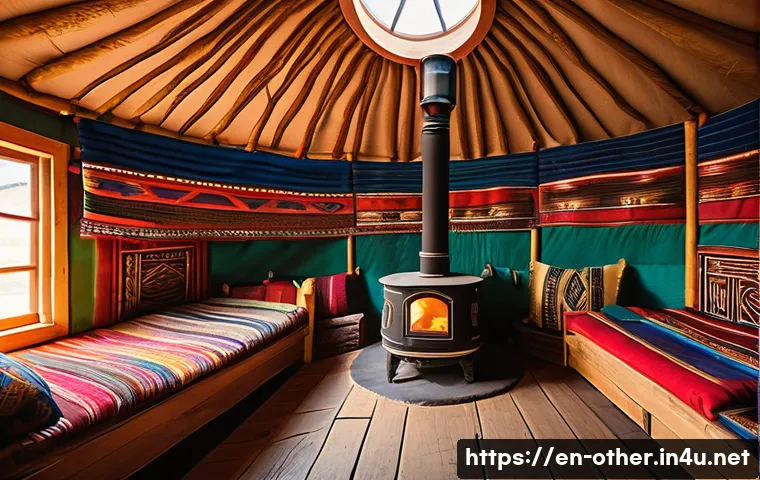
Staying overnight in a traditional Mongolian ger offers a unique glimpse into nomadic life that few travelers get to experience. The warmth of the felt walls, the crackling stove, and the vast open sky outside create an unforgettable atmosphere that blends simplicity with comfort.
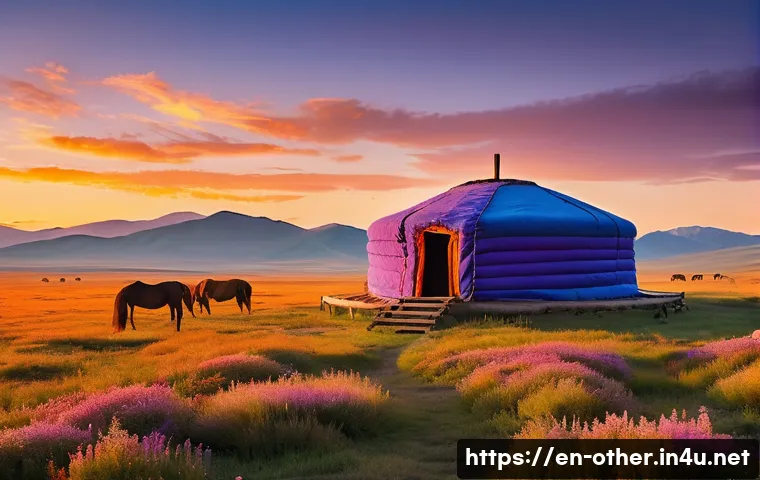
Having spent a night myself, I can say it’s a refreshing break from the usual hotel stays, filled with authentic cultural touches and stunning natural surroundings.
Whether you’re seeking adventure or a peaceful retreat, a ger stay immerses you in a way that’s both humbling and inspiring. Let’s dive deeper and explore what makes this experience truly special!
Immersing in the Cozy Ambiance of a Mongolian Ger
The Comfort of Felt Walls and Traditional Insulation
One of the first things that caught my attention when stepping inside the ger was the thick felt walls. Unlike the cold, sterile hotel rooms I’m used to, these felt layers create a surprisingly warm and snug atmosphere.
The insulation isn’t just practical; it feels like the ger itself is breathing with you, maintaining a gentle warmth even when the Mongolian wind blows fiercely outside.
This natural material has been used for centuries by nomads, and it really makes a difference in comfort during chilly nights. I found myself appreciating the simplicity yet effectiveness of this traditional design, which feels incredibly connected to the environment.
The Hearth: Heart of the Ger
The central stove inside the ger is more than just a heating source; it’s the heart of the living space. Sitting close to it, I could feel the crackling of the wood and smell the faint scent of burning twigs—something that brought back memories of campfires from my childhood.
It’s not just about warmth but also about creating a shared space where stories and laughter flow. I noticed locals gathering around the stove, sipping tea and chatting, which highlighted how this simple element fosters community.
The stove also doubles as a cooking spot, which adds to the homey vibe of the ger.
Natural Light and the Dome Window
During the day, the round opening at the top of the ger floods the interior with soft, natural light. This dome window, often covered with a transparent material, lets you catch glimpses of the ever-changing sky.
I found it fascinating to lie back and watch the clouds drift or stars twinkle at night, feeling as though I was sleeping under a giant celestial dome.
This connection to the outdoors is something no hotel window can replicate, making the stay feel more intimate with nature.
Daily Life Rhythms Inside a Ger
Waking Up to the Sounds of Nature
Unlike the artificial alarm clocks I’m used to, waking up in a ger means hearing the natural world come alive. The chirping of birds, the distant calls of livestock, and the rustling of the wind through the grass create a gentle soundtrack for the morning.
It’s a refreshing way to start the day, and I found myself feeling more grounded and peaceful as a result. This natural alarm clock sets a slower, more mindful pace for the day ahead.
Simple Yet Thoughtful Interior Layout
The interior of the ger is carefully arranged to maximize space and functionality. Beds, storage chests, and a small table all fit neatly within the circular floor plan without feeling cramped.
Each item has a purpose, and there’s a beautiful balance between practicality and aesthetics. I appreciated how everything was within arm’s reach, yet the space felt open and inviting.
This efficient use of space reflects the nomadic lifestyle’s emphasis on mobility and simplicity.
Engaging with Local Customs and Hospitality
Staying overnight also means embracing the hospitality traditions of the Mongolian nomads. I was offered traditional milk tea and simple meals prepared over the stove, which felt like an intimate cultural exchange.
Sharing food and stories helped me understand the deep-rooted values of community and respect. These moments of connection made the stay more than just an accommodation; it became a genuine cultural immersion.
Experiencing the Vast Mongolian Landscape from the Ger
Panoramic Views of the Steppe
One of the standout features of sleeping in a ger is the unobstructed view of the sprawling steppe outside. Unlike urban hotels surrounded by walls and noise, here the horizon stretches endlessly, dotted with grazing animals and wildflowers.
I found myself stepping outside multiple times just to soak in the quiet vastness and watch the sunrise or sunset paint the sky with vibrant colors. It’s a rare chance to experience true solitude and natural beauty.
Night Skies Like No Other
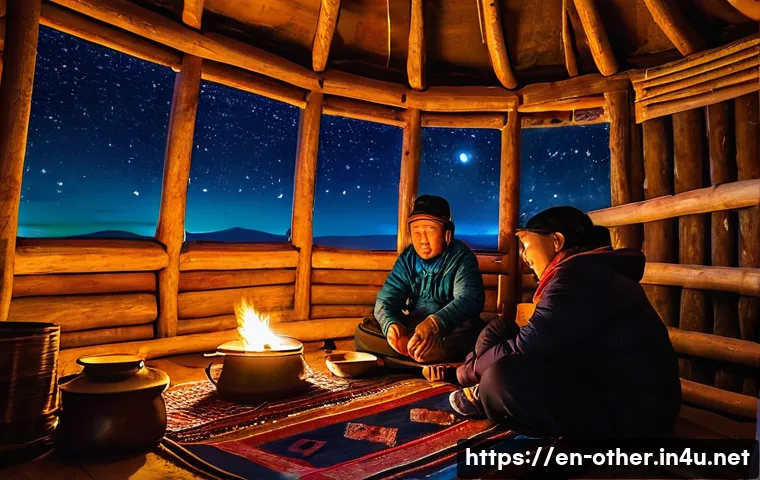
The lack of city lights means the night sky in Mongolia is a breathtaking spectacle. Lying on my back inside the ger, I could see constellations with astonishing clarity, and even catch shooting stars.
It’s the kind of stargazing that feels almost spiritual, reminding me how small we are in the grand scheme of things. The peacefulness of the night, combined with the warmth inside the ger, made it one of the most memorable parts of the stay.
Wildlife Encounters and Morning Walks
The ger’s location often puts you close to nature’s subtle wonders. Early morning walks revealed tracks of wild animals and occasional sightings of birds and small mammals.
I was surprised by how alive the landscape felt even in its quiet moments. These encounters added a sense of adventure and discovery, making the experience more dynamic than a typical hotel stay.
Understanding Ger Construction and Nomadic Engineering
Modular Design for Mobility
What fascinated me most was how every piece of the ger is designed to be dismantled and reassembled quickly. This modular construction allows nomads to pack up and move with ease, a necessity for their lifestyle.
Watching the hosts explain how the wooden lattice walls collapse and the felt covers roll up felt like witnessing a well-choreographed dance. It’s a brilliant example of engineering that balances durability with portability.
Sustainable Materials and Eco-Friendly Living
The materials used—wood, felt, and animal hides—are all biodegradable and sourced locally, reflecting an eco-conscious approach that predates modern green living trends.
This sustainability impressed me deeply, especially knowing that the ger leaves minimal impact on the land. The design harnesses natural insulation and ventilation, reducing the need for artificial climate control and energy consumption.
Symbolism and Decoration
Beyond functionality, many gers feature symbolic decorations such as painted wooden pillars and colorful textiles. These elements aren’t just for beauty; they represent spiritual beliefs and family heritage.
Learning about the meanings behind these designs added a rich cultural layer to the experience, making the ger feel like a living museum of nomadic tradition.
Practical Tips for First-Time Ger Guests
What to Pack for Comfort
Given the rustic nature of the ger, I recommend packing layers of clothing to stay comfortable. Even in summer, nights can get chilly, so a warm jacket and thermal socks are lifesavers.
Also, bring toiletries and personal items since facilities are basic. A flashlight or headlamp is handy for navigating outside after dark, and a camera is a must to capture the stunning surroundings.
Respecting Local Customs and Etiquette
Understanding and respecting the customs of the hosts enhances the experience immensely. For example, it’s polite to remove shoes before entering the ger and to accept offered tea or snacks graciously.
Asking permission before taking photos of people or their belongings is always appreciated. These small gestures open doors to genuine connections and show respect for their way of life.
Booking and Seasonal Considerations
Staying in a ger is possible year-round, but the experience varies by season. Summer offers warmer weather and blooming landscapes, while winter showcases the harsh beauty of snow-covered steppes.
Booking ahead is crucial during peak travel times, especially with authentic family-run ger camps. I found that opting for smaller, locally operated camps provides a more intimate and authentic experience than larger tourist-focused ones.
Comparing Ger Stays to Conventional Accommodations
Authenticity vs. Modern Comforts
While hotels provide convenience and modern amenities, a ger stay offers an authenticity that’s hard to match. The trade-off means fewer luxuries like Wi-Fi or private bathrooms, but the immersive cultural and natural experience more than compensates.
For travelers seeking a genuine connection to Mongolian nomadic life, the ger is unparalleled.
Cost and Value Considerations
Prices for ger stays can vary widely depending on location and services offered. Generally, they are more affordable than boutique hotels, making them an excellent choice for budget-conscious adventurers.
Beyond cost, the value lies in the unique memories and personal growth that come from stepping outside of typical travel comforts.
Environmental Impact and Sustainability
Gers have a much smaller environmental footprint compared to permanent structures. Their reliance on local materials and minimal energy use aligns with sustainable tourism principles.
Choosing a ger stay supports communities that prioritize harmony with nature, which is increasingly important for eco-aware travelers.
| Aspect | Ger Stay | Hotel Stay |
|---|---|---|
| Comfort | Warm felt insulation, simple furnishings, wood stove heat | Modern HVAC, plush beds, private bathrooms |
| Cultural Experience | Immersive nomadic lifestyle, traditional hospitality | Limited cultural exposure, standardized service |
| Environmental Impact | Low, biodegradable materials, minimal energy use | Higher, permanent infrastructure, resource intensive |
| Cost | Generally affordable, value in authenticity | Varies widely, often higher price point |
| Location | Remote steppe, natural surroundings | Urban or resort settings |
| Accessibility | Requires travel and some physical readiness | Easy access, often near transport hubs |
Building Lasting Memories Through Ger Stays
Personal Growth and Reflection
Spending a night in a ger challenged me to slow down and embrace simplicity. Without distractions like screens or constant noise, I found space for reflection and a deeper appreciation for nature’s rhythms.
This pause from modern life felt rejuvenating, reminding me how often we overlook the beauty in small moments.
Connecting with People and Place
The hospitality I experienced was genuinely heartwarming. Sharing stories with hosts and learning about their daily lives created bonds that felt meaningful and memorable.
These human connections, combined with the landscape’s vastness, made the experience profoundly grounding and inspiring.
Inspiring Future Adventures
After staying in a ger, my curiosity about nomadic cultures and remote landscapes grew exponentially. It sparked a desire to explore more off-the-beaten-path destinations and embrace travel that’s about authentic experiences rather than just sightseeing.
This stay wasn’t just a night’s sleep; it was a doorway to new ways of seeing the world.
In Conclusion
Staying in a Mongolian ger offers a unique blend of comfort, culture, and connection to nature that is hard to find elsewhere. It invites travelers to slow down, appreciate simplicity, and immerse themselves in a lifestyle that has endured for centuries. The experience goes beyond accommodation—it becomes a meaningful journey into tradition and the vast Mongolian landscape. Whether it’s the warmth of the felt walls or the starry skies above, a ger stay leaves lasting impressions that enrich the soul.
Useful Information to Keep in Mind
1. Pack layered clothing and essentials like a flashlight to stay comfortable in the ger’s rustic setting.
2. Show respect by following local customs such as removing shoes and accepting hospitality graciously.
3. Book in advance, especially during peak seasons, to secure authentic family-run ger experiences.
4. Be prepared for limited modern amenities but embrace the unique cultural and natural immersion.
5. Consider the environmental benefits of choosing a ger stay, supporting sustainable and eco-friendly tourism.
Key Takeaways
Choosing to stay in a ger means embracing simplicity and authenticity over modern luxury. It provides a rare chance to connect deeply with Mongolian nomadic culture and the natural world. Respect for local traditions and thoughtful preparation will enhance your experience. This form of accommodation supports sustainable travel practices and offers unforgettable memories that go beyond typical tourism. Ultimately, a ger stay is not just about where you sleep—it’s about how you experience a way of life.
Frequently Asked Questions (FAQ) 📖
Q: What should I expect when staying overnight in a traditional Mongolian ger?
A: Staying overnight in a ger is unlike any typical hotel experience. You’ll find the interior cozy and warm thanks to thick felt walls and a wood-burning stove that creates a comforting crackle throughout the night.
The design is simple yet functional, emphasizing communal living and connection to nature. Outside, the vast open sky offers breathtaking views, especially at sunset and under a blanket of stars.
It’s a peaceful retreat that encourages slowing down and appreciating the nomadic lifestyle’s simplicity and harmony with the environment.
Q: Are there any special preparations or items I should bring for a ger stay?
A: Absolutely! Since gers are traditionally set up in remote areas, it’s wise to bring layered clothing to adapt to temperature changes, as it can get chilly at night despite the stove.
Comfortable shoes are a must for exploring the surrounding landscape. Also, bringing your own toiletries and a flashlight can be handy since amenities are minimal.
Many hosts provide basic bedding and meals, but it’s good to check in advance. Personally, I found packing a small notebook to jot down my thoughts made the experience even more memorable.
Q: How authentic is the cultural experience when staying in a ger, and will I interact with locals?
A: Staying in a ger often means you’re stepping directly into a nomadic family’s daily life, which offers a rich cultural immersion. Hosts typically share stories about their traditions, offer homemade meals like dairy products and meat dishes, and may invite you to try their traditional customs.
This interaction is genuine and heartfelt, providing insight into a lifestyle that’s remained relatively unchanged for centuries. From my own experience, these moments of connection were the highlight of the trip, making the stay not just comfortable but deeply meaningful.