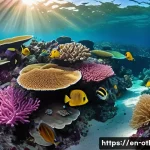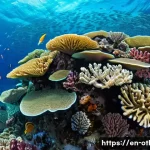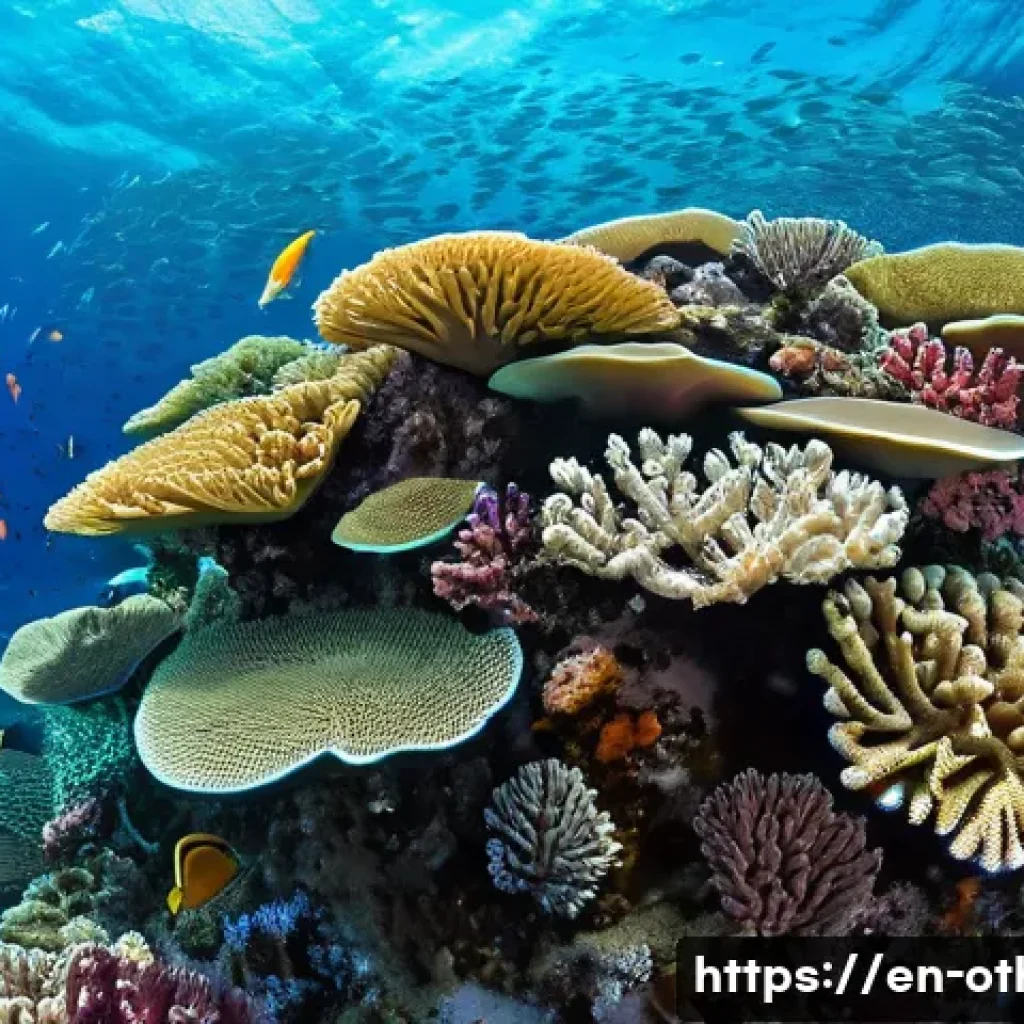
Exploring the underwater world of the Maldives is nothing short of magical, with vibrant coral reefs and diverse marine life creating an unforgettable scuba diving experience.
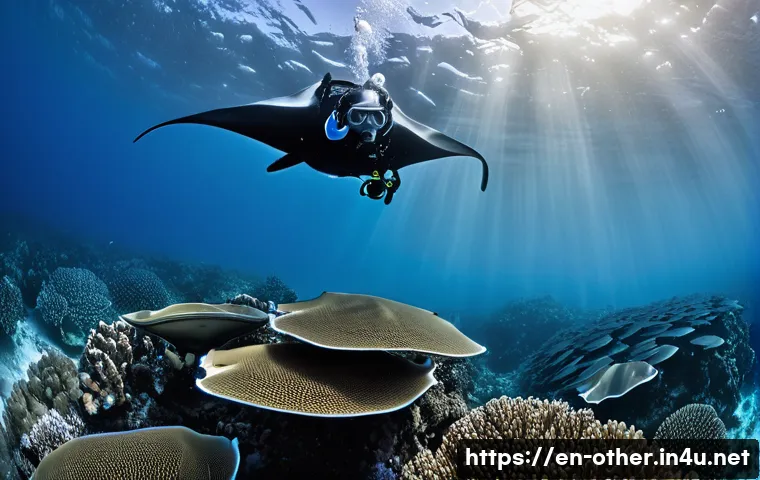
From gentle manta rays gliding gracefully to curious reef sharks patrolling the depths, every dive reveals a new marvel. The crystal-clear waters and warm tropical climate make it an ideal destination for both beginners and seasoned divers.
Whether you’re chasing colorful fish or exploring dramatic underwater caves, the Maldives offers something truly unique. If you’re dreaming of your next diving adventure, let’s dive deeper and discover the best spots in detail!
Enchanting Coral Gardens and Their Inhabitants
Colorful Coral Species to Watch For
The Maldives is famed for its dazzling coral gardens, where a kaleidoscope of hard and soft corals flourishes. While diving, I’ve often been mesmerized by the intricate formations of brain corals and the waving elegance of sea fans.
These corals not only create a spectacular underwater landscape but also serve as vital habitats for countless marine species. Spotting vivid staghorn coral or delicate table corals feels like stepping into a living painting, each structure bustling with life and movement.
Small Creatures That Steal the Show
Among the sprawling corals, tiny critters like nudibranchs, shrimp, and colorful reef fish add charm and surprise to every dive. I recall once spotting a flamboyant cuttlefish camouflaging perfectly against coral branches, a sight so rare and beautiful it left me breathless.
These smaller animals might be easy to overlook, but their presence is essential—they indicate a healthy reef system and provide endless fascination for macro photographers and nature lovers alike.
Why Protecting Coral Reefs Matters
Experiencing these coral gardens firsthand has made me more aware of the fragile balance that sustains them. Rising ocean temperatures and human activities threaten these vibrant ecosystems.
The Maldives has implemented marine protected areas and sustainable tourism practices, which I noticed during my visits have helped maintain reef health.
Diving responsibly here means respecting these delicate habitats by avoiding contact and supporting conservation efforts—something every diver should embrace to preserve this underwater wonderland.
Thrilling Drift Dives Along Strong Currents
Understanding Drift Diving in the Maldives
Drift diving is one of the most exhilarating ways to explore the Maldives’ underwater world. The region’s channels and reefs often create swift currents that naturally carry divers along, revealing extensive sections of the reef without the need to swim much.
I remember feeling the gentle pull of the current while floating effortlessly over colorful coral slopes, spotting schools of snappers and fusiliers moving in unison.
This style of diving is both relaxing and thrilling, perfect for those who want to cover large areas and see diverse marine life.
Key Drift Dive Sites to Experience
Certain spots are legendary for drift diving, such as the channels around Hanifaru Bay or the Alimatha Channel. These locations are known for their strong currents that attract large pelagic species, including manta rays and reef sharks.
When I first drift dived in these waters, the sensation of gliding alongside giant mantas was unforgettable. Planning dives around the tide and current schedules is essential here to maximize safety and wildlife encounters.
Tips for Enjoying Drift Dives Safely
While drift diving is fantastic, it demands some preparation and awareness. I always make sure to dive with a guide familiar with the currents and to use a surface marker buoy to signal the boat.
Maintaining good buoyancy control is crucial to avoid accidental contact with the reef or sudden changes in depth. For newcomers, starting with guided drift dives in moderate currents builds confidence and ensures a safer, more enjoyable experience.
Encountering the Giants: Manta Rays and Whale Sharks
Seasonal Highlights for Spotting Giants
One of the biggest draws for divers visiting the Maldives is the chance to swim alongside majestic manta rays and gentle whale sharks. Manta season typically peaks from May to November, when plankton blooms attract these graceful creatures to cleaning stations.
Whale sharks, on the other hand, can be spotted year-round, but especially from December to April. I’ve been lucky enough to witness these encounters multiple times, and each interaction felt deeply humbling and awe-inspiring.
Best Locations to See Mantas and Whale Sharks
Hanifaru Bay is famous worldwide as a manta ray hotspot, where dozens can be seen circling together in feeding frenzies. For whale sharks, sites like South Ari Atoll offer frequent sightings.
Diving or snorkeling with these giants is something every underwater enthusiast dreams of, and the Maldives offers some of the best chances to experience it in crystal-clear waters.
I always recommend booking with operators who prioritize ethical wildlife encounters to protect these animals.
Conservation Efforts and Responsible Wildlife Viewing
From my perspective, enjoying these encounters responsibly is vital. The Maldives enforces strict guidelines on how close divers and snorkelers can approach manta rays and whale sharks, minimizing stress to the animals.
I noticed that operators often brief guests thoroughly before excursions to ensure everyone respects these rules. Supporting such eco-conscious practices helps maintain the delicate balance between tourism and conservation, ensuring these magnificent creatures thrive for generations to come.
Exploring Underwater Caves and Overhangs
The Allure of Submerged Caves
For divers craving a bit of adventure beyond open reefs, the Maldives offers fascinating underwater caves and overhangs to explore. These natural formations create shadowy, mysterious environments teeming with life.
I’ve always found the contrast between bright coral gardens and the eerie calm inside caves captivating. Swimming through these spaces feels like entering a secret world, where schools of fish hide in crevices and sometimes even elusive moray eels peek out.
Popular Cave Dive Sites and Their Features
Sites like Banana Reef and Kuda Haa are well-known for their impressive caves and swim-throughs. Banana Reef’s cave systems, for example, are large enough to navigate easily but still provide thrilling encounters with reef fish and occasional pelagic visitors.
Kuda Haa offers more compact passages that challenge divers to hone their buoyancy and spatial awareness. Both spots offer a unique twist on typical reef diving and are favorites among more experienced divers seeking variety.
Safety Considerations When Diving Caves
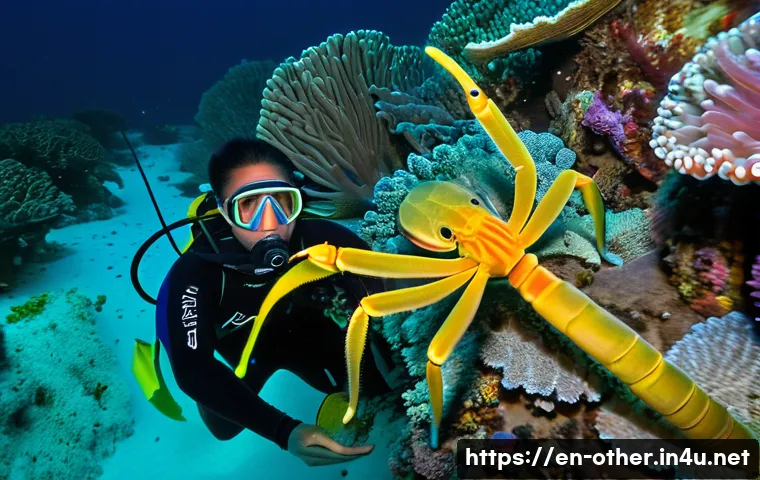
Diving caves requires extra caution and preparation. I always dive with a buddy, keep an eye on my air consumption, and avoid entering overly tight spaces.
Good lighting and clear communication are essential to avoid disorientation. While these dives can be exhilarating, they are best suited for divers with some experience in overhead environments.
Local guides provide invaluable support here, ensuring that explorations remain safe and enjoyable.
Night Diving: A Different World Beneath the Surface
What Makes Night Diving Special
Night diving in the Maldives reveals a whole new side of the marine ecosystem. When the sun sets, nocturnal creatures emerge, and the reef transforms dramatically.
I remember the thrill of turning on my dive light and seeing glowing eyes of lobsters, hunting squid, and bioluminescent plankton lighting up the dark water like tiny stars.
The quiet atmosphere and limited visibility heighten the senses, making every moment feel intimate and mysterious.
Common Night Dive Highlights
During night dives, I’ve often encountered sleeping reef fish, camouflaged octopuses, and prowling crustaceans. It’s a chance to see behaviors rarely observed during the day, such as the feeding frenzy of certain predators or the delicate movements of shrimp cleaning stations.
The Maldives’ clear waters provide excellent visibility even at night, making it easier to spot these nocturnal wonders compared to other destinations.
Preparing for a Safe Night Dive
Night diving requires some additional gear and mindset. A reliable dive torch and backup light are must-haves, as is a thorough pre-dive briefing. Staying close to the dive group and maintaining good buoyancy are especially important to avoid disturbing the reef or getting lost.
For me, the excitement of exploring this hidden world more than compensates for the extra planning, making night dives a highlight of any Maldives trip.
Choosing the Right Dive Resorts and Liveaboards
Comparing Resort-Based Dives vs. Liveaboard Adventures
When planning a Maldives diving trip, deciding between staying at a dive resort or embarking on a liveaboard can be tricky. Resorts provide easy access to nearby dive sites with daily boat trips and comfortable amenities.
I’ve enjoyed the convenience and relaxation of resort stays, especially when combining diving with beach downtime. Liveaboards, on the other hand, offer the chance to explore remote sites and multiple atolls over several days, ideal for serious divers wanting variety and adventure.
Top Considerations for Selecting Your Dive Accommodation
In my experience, key factors include the quality of dive guides, boat safety, and proximity to prime dive spots. Some resorts specialize in eco-friendly practices and offer personalized dive experiences, which can greatly enhance your trip.
Liveaboards vary widely in size and luxury, so matching your comfort preferences with the itinerary is crucial. Reading recent reviews and asking for recommendations helped me find the perfect balance between adventure and comfort.
How to Maximize Value and Experience
Booking packages that combine diving, accommodation, and transfers often provide better value. Many operators include equipment rental and guided dives, which simplifies planning.
During my trips, I always take advantage of briefing sessions and ask questions to learn more about the local marine life and conditions. This not only enriches the experience but also improves safety and enjoyment underwater.
| Dive Spot | Unique Feature | Best Season | Recommended Experience Level |
|---|---|---|---|
| Hanifaru Bay | Manta ray feeding aggregations | May to November | Intermediate to Advanced |
| Banana Reef | Underwater caves and swim-throughs | Year-round | Intermediate |
| South Ari Atoll | Frequent whale shark sightings | December to April | All levels |
| Alimatha Channel | Drift diving with strong currents | Year-round | Advanced |
| Kuda Haa | Compact caves and overhangs | Year-round | Advanced |
글을 마치며
Exploring the Maldives’ underwater wonders offers an unforgettable blend of vibrant coral gardens, thrilling drift dives, and encounters with majestic marine giants. Whether you’re captivated by the mysteries of underwater caves or the magic of night diving, each experience deepens your appreciation for these fragile ecosystems. Responsible diving and conservation efforts are key to preserving this natural paradise for future generations to enjoy. Embrace the adventure and respect the ocean’s delicate balance every time you dive.
알아두면 쓸모 있는 정보
1. The Maldives’ best diving seasons vary by species: manta rays are most visible from May to November, while whale sharks are commonly seen between December and April.
2. Drift diving requires good buoyancy control and awareness of currents; always dive with a knowledgeable guide and use safety equipment like surface marker buoys.
3. Night dives reveal unique marine behaviors and creatures not seen during the day, but require extra lighting, careful planning, and staying close to your dive group.
4. Choosing between a dive resort and a liveaboard depends on your preference for comfort versus adventure, with liveaboards offering access to more remote and varied dive sites.
5. Supporting operators that follow eco-friendly and ethical wildlife interaction guidelines ensures sustainable tourism and helps protect the Maldives’ marine biodiversity.
중요 사항 정리
Diving in the Maldives offers a spectacular experience, but safety and environmental responsibility are paramount. Always dive within your skill level, respect marine life by maintaining distance and avoiding contact, and follow local regulations. Proper preparation for drift and night dives enhances both safety and enjoyment. Choosing reputable operators who prioritize conservation helps sustain the delicate underwater ecosystems that make the Maldives a world-class diving destination.
Frequently Asked Questions (FAQ) 📖
Q: What is the best time of year to go scuba diving in the Maldives?
A: The prime diving season in the Maldives typically runs from November to April. During these months, the water is crystal clear with excellent visibility, often exceeding 30 meters, and the seas are calmer.
This makes it ideal for spotting manta rays, whale sharks, and vibrant coral reefs. However, diving is possible year-round, and the off-season from May to October can offer some unique experiences with fewer crowds and more dynamic marine life, though visibility might be a bit lower due to occasional rains.
Q: Are the Maldives suitable for beginner scuba divers?
A: Absolutely! The Maldives is a fantastic destination for beginners because many dive sites have calm, shallow lagoons perfect for learning. Numerous resorts and dive centers offer professional instruction and beginner-friendly courses like Open Water Diver certification.
Plus, the warm tropical waters and abundant marine life create a comfortable and exciting environment for first-time divers. That said, it’s always best to dive with a certified instructor, especially when exploring new underwater spots.
Q: What kind of marine life can I expect to see while diving in the Maldives?
A: The Maldives boasts an incredible variety of marine species. You’re likely to encounter graceful manta rays, curious reef sharks, colorful parrotfish, and schools of vibrant tropical fish.
Underwater caves and coral walls are teeming with life, including turtles, eagle rays, and sometimes even whale sharks during seasonal migrations. From tiny nudibranchs to large pelagics, every dive offers a chance to witness something fascinating, making it a paradise for underwater photographers and nature lovers alike.